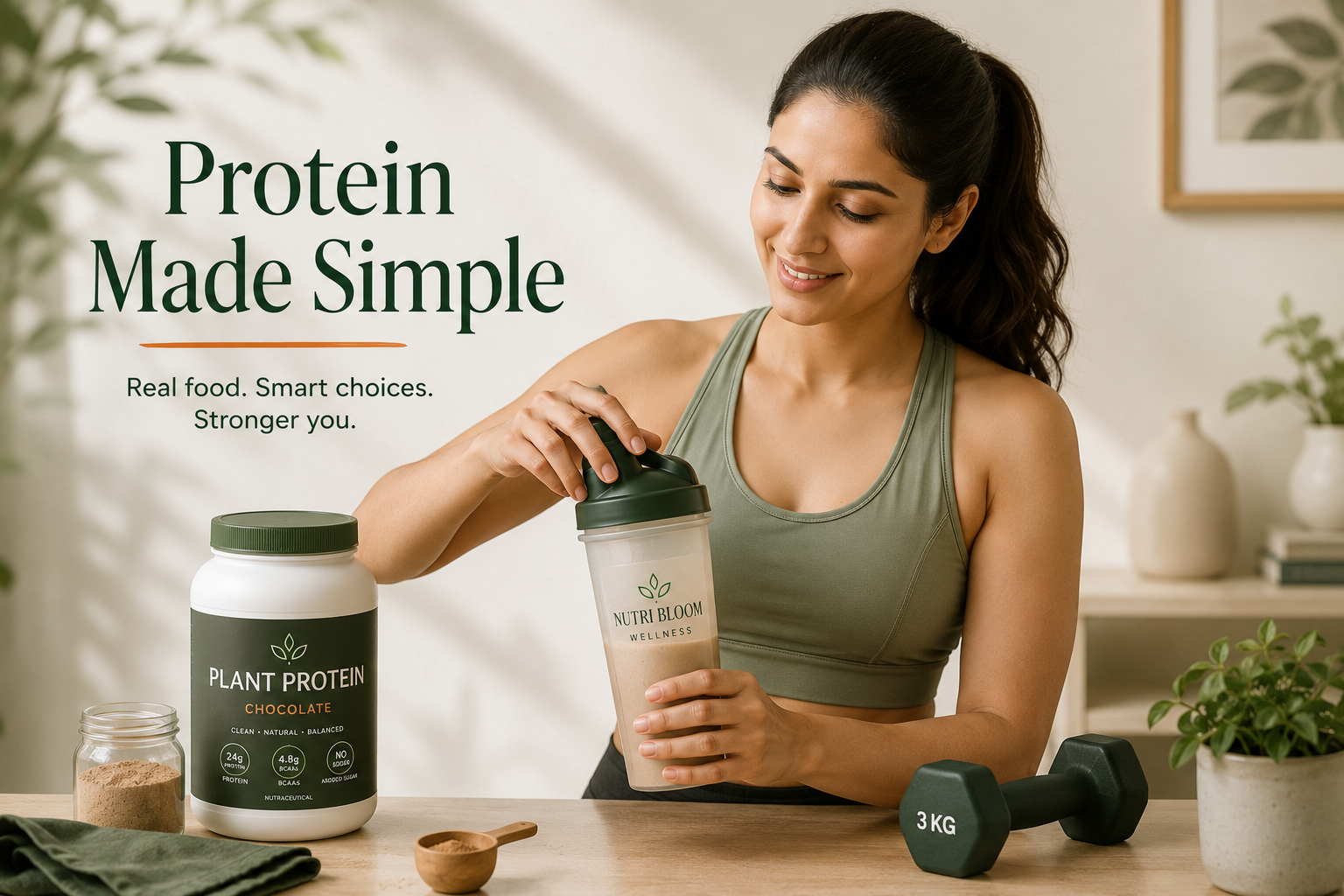
Best Protein Powders for Women in India (2026 Guide for Fat Loss, Fitness and Everyday Health)
If you are trying to eat better, work out and feel stronger, you have probably heard that you “need more protein.” For many women in India, that is true – but it is not always easy to get enough protein from only dal, paneer and home food, especially with a busy schedule. A protein powder can genuinely help, but only if you choose it correctly.
In this guide, I will walk you through how to pick the best protein powder for women in India based on your goals: fat loss, muscle tone and general health. You will also see different types of protein (whey vs plant), what to check on the label and where a supplement actually fits into a normal Indian diet.
This article is for education only and is not medical advice. If you have kidney issues, pregnancy, breastfeeding or any diagnosed medical condition, please talk to your doctor or a qualified dietitian before starting any supplement.
Affiliate & medical disclosure
Affiliate Disclosure:
This article contains affiliate links. If you buy through these links, I may earn a small commission at no extra cost to you. I only recommend products I would feel comfortable suggesting to a close friend.
Always consult your doctor if you have medical conditions or are on any medication before adding a new supplement.
Do Women Really Need Protein Powder?
Most healthy women can meet their basic protein needs from food, but in reality many fall short, especially if they are vegetarian, very busy or training regularly.
Protein powders are not magic weight‑loss drinks. They are simply a convenient, measured source of protein that you can use when regular meals are not enough. For gym‑goers, women trying to improve muscle tone, and those who struggle to eat enough protein‑rich foods, a scoop a day can be practical.
You may not need a powder if:
- You are mostly sedentary.
- You regularly eat dal, curd, paneer, eggs, chicken or fish in generous portions.
You may benefit from a powder if:
- You train 3–5 times per week.
- You often skip meals or have low‑protein meals (chai + biscuits, bread, namkeen).
- You are vegetarian or vegan and find it hard to reach your target.
Types of Protein Powder (And Which Suits You)
Whey protein (concentrate and isolate)
- Whey concentrate: About 75–80% protein by weight, with some lactose and fat, usually the best value for most active women.
- Whey isolate: 85–90% protein, less lactose and fat, better if you are slightly lactose‑sensitive or dieting more aggressively.
Whey digests quickly and has a complete amino acid profile, making it ideal for muscle recovery and appetite control after workouts.
Plant‑based protein (pea, rice, soy blends)
- Made from pea, rice, soy or a blend.
- Good for vegans, lactose‑intolerant women or those who feel whey worsens acne or digestion.
Plant proteins can be a bit thicker or “earthier” in taste but have improved a lot and can work very well when blended with water or plant milk.
Women‑focused blends
Some Indian and global brands sell “women’s protein” formulas that mix protein with added herbs, vitamins and minerals for hair, skin, hormonal balance or PCOS support.
These can be helpful if you like an all‑in‑one product, but do not rely only on marketing. Look at the actual protein content per scoop and added sugar level first.
How to Choose the Best Protein Powder for You
1. Match the type to your body and goals
- If you are okay with milk products and want maximum results for gym + fat loss: whey concentrate or isolate is usually ideal.
- If you have lactose intolerance, whey acne issues or are vegan: choose a plant protein blend (pea + rice, or similar).
2. Check protein per scoop
Aim for around 20–25 g protein per scoop with minimal added sugar.
- If a scoop is very large but gives only 10–12 g protein, you are paying more for fillers and carbs.
- Good proteins clearly display “protein per serving” on the label.
3. Watch sugar and flavouring
- Prefer products with low added sugar (ideally under 3–5 g per scoop).
- Sweeteners like sucralose are common; if you are sensitive, consider unflavoured or mildly flavoured versions.
4. Look for digestion support
Many good Indian whey products now include digestive enzymes to reduce bloating and improve tolerance.medstown+1
If you have a sensitive stomach, this can make a big difference.
5. Consider testing and brand reputation
Look for:
- Transparent labels.
- If available, third‑party testing or certifications.demandeals+2
- Established brands with consistent reviews over time.
Top Protein Powder Categories for Women (With Example Use Cases)
Instead of promoting specific brands here, I will show you types of products and how you would actually use them in daily life. You can then select your preferred brand on Amazon based on budget and availability.
1. Everyday whey concentrate for beginners
Ideal for:
- Women starting the gym or home workouts.
- Those wanting a budget‑friendly option for general fitness and fat loss.the5xlnutrition+1
How to use:
- 1 scoop with water or milk after workout or as a high‑protein snack.
- Mix into oats, smoothies or curd for more protein.
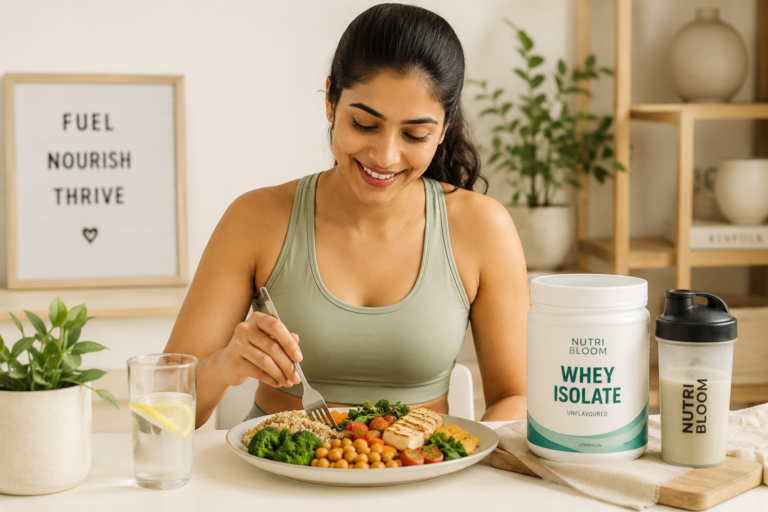
2. Whey isolate for fat loss or lactose sensitivity
Ideal for:
- Women cutting calories more strictly.
- Those who feel gassy or bloated with regular whey.
Benefits:
- Higher protein percentage, less lactose and fat per scoop.
- Often easier to digest for sensitive stomachs.
- whey isolate for women who are dieting
3. Plant‑based protein for vegans and sensitive skin
Ideal for:
- Vegans and dairy‑free diets.
- Women who feel whey worsens acne or causes breakouts.
Benefits:
- No lactose.
- Can be smoother on skin for some women, though this is individual.
- good plant‑based protein powder for women in India
4. “Women’s wellness” blends
Ideal for:
- Women looking for a protein plus added vitamins, minerals and herbs in one scoop.
Caution:
- Check that you still get 20 g or more of protein per serving.
- See that sugar is controlled, and added herbal ingredients are ones you are comfortable with.
When Should You Take Protein Powder?
There is flexibility, but simple options are:
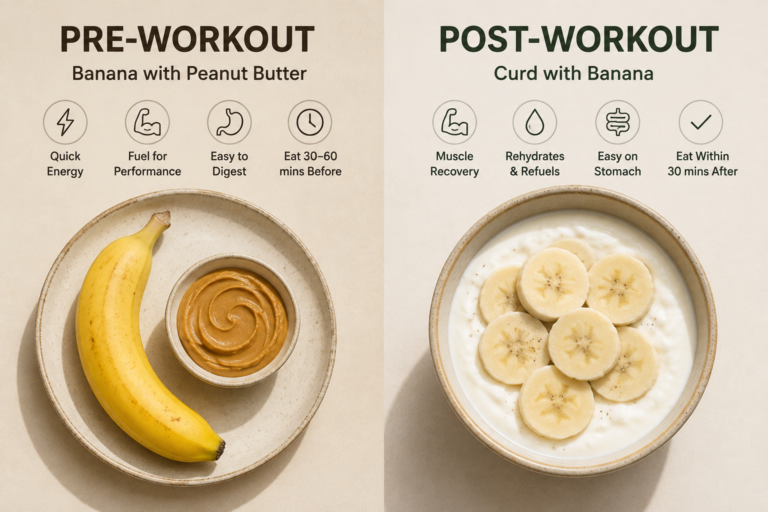
- After workout: A scoop within a few hours of training helps recovery and muscle repair.
- As a snack: Use as a mid‑morning or evening snack when you might otherwise have only biscuits or fried snacks.
- As part of breakfast: Blend into a smoothie bowl or oats for a higher‑protein start to your day.
Consistency matters more than exact minutes. If your total daily protein improves, your body will respond.
How Much Protein Do You Need Per Day?
Exact needs depend on your weight, activity level and goals, but general ranges from research and expert summaries suggest:
- Around 1.0 g per kg body weight for sedentary but health‑conscious women.
- Around 1.2–1.6 g per kg if you are trying to lose fat while maintaining muscle.
- Up to 1.6–2.0 g per kg if you lift weights seriously or are building significant muscle (under professional guidance).
Example:
If you weigh 60 kg and work out regularly, a common target might be around 75–90 g protein per day from all sources. Food should supply most of this, and a scoop of protein (20–25 g) can fill the gap.
How to Fit Protein Powder Into a Normal Indian Day
Here are some simple ideas:
- Add one scoop of protein to:
- A fruit + curd smoothie.
- Overnight oats with seeds and nuts.
- Milk or water after gym.
- Keep the rest of your meals built around:
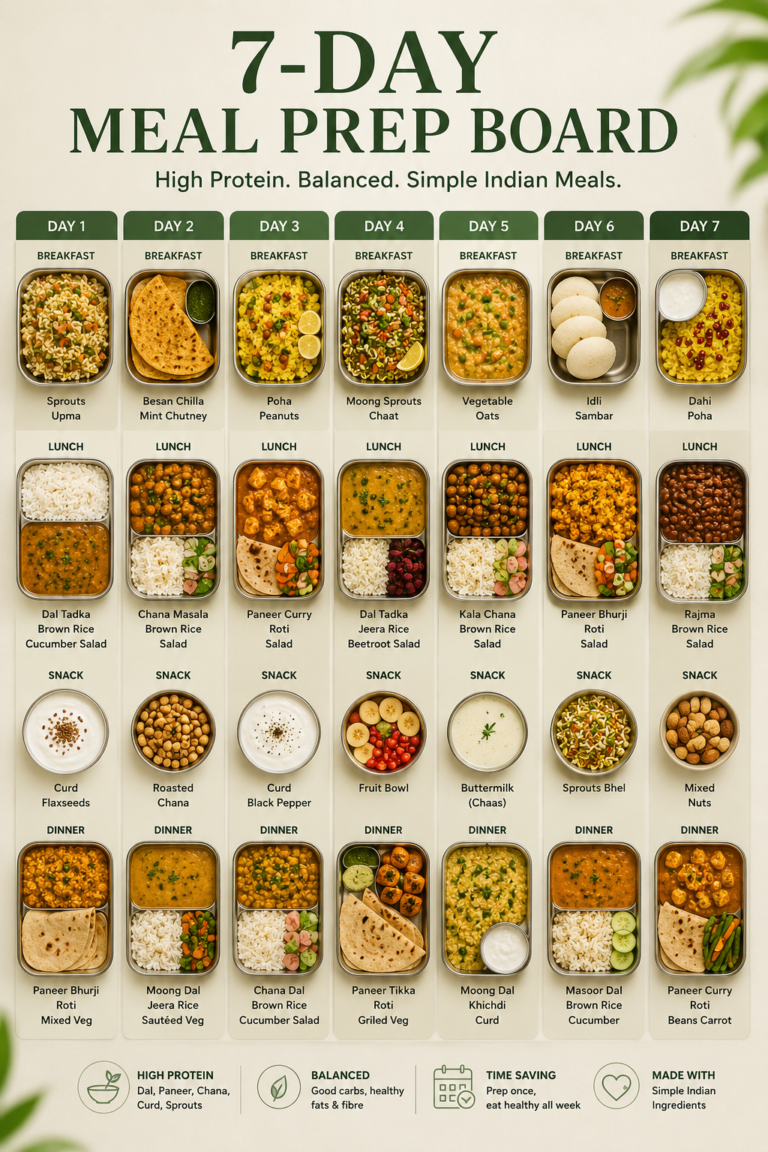
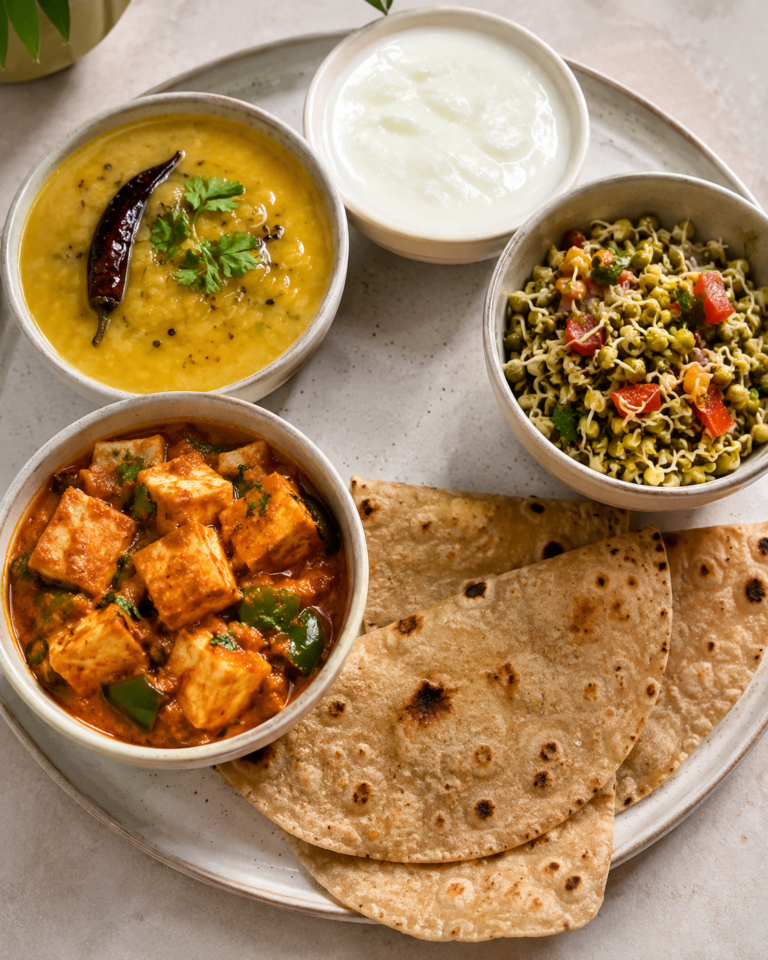
- Dal, rajma, chole.
- Paneer or tofu.
- Eggs, chicken or fish (if you eat non‑veg).
Protein powder supplements normal food; it does not replace whole meals or fix a poor diet.
Safety, Side Effects and Myths
Is protein powder safe for women?
For healthy women with normal kidney function, taking a moderate amount of protein powder as part of the total daily protein is generally considered safe.
Problems usually come from:
- Very high doses over long periods.
- Using powder instead of all real food.
- Ignoring medical conditions or blood test issues.
Will protein powder make you “bulky”?
No. Building visible size requires a calorie surplus, heavy training and high protein over a long time. For most women, protein helps support a leaner, more toned look rather than bulk.
What about skin and digestion?
- Some women notice more acne with certain whey products; others do not. If you suspect this, try a different brand, isolate form or plant protein.
- If you feel gassy or bloated, reduce serving size, drink more water, or choose products with digestive enzymes or a different protein source.
Example: Simple 7‑Day Protein Habit Plan
To avoid overwhelm, here’s a gentle 7‑day plan:
- Days 1–2: Track your usual protein intake from food (just roughly).
- Days 3–4: Add one extra protein‑rich food per day (for example, paneer, curd, dal, eggs).
- Days 5–7: If you are still low, add one scoop of protein powder on training days, either after workout or as a snack.
This way you build awareness first, then fix food, and only then use supplements to close the gap.
5 Comments