Pre-Workout and Post-Workout Nutrition for Beginners (Women’s Guide)
If you’ve started working out but still feel low on energy during your session or overly sore the next day, the problem might not be your workout — it might be what (or when) you’re eating around it. Getting your pre- and post-workout nutrition right can significantly improve your energy, performance, and recovery.
This guide breaks down exactly what to eat before and after training, with simple Indian food options, so you don’t need fancy supplements to get this right.
This article is for general education only and is not medical advice. Please consult a doctor or dietitian for personalized guidance.
Affiliate disclosure
Affiliate Disclosure:
This article may contain affiliate links. If you buy through them, I may earn a small commission at no extra cost to you. I only recommend products I would suggest to a close friend.
Why timing matters (but isn’t everything)
Research shows that women may benefit from a slightly tighter refueling window than men — aiming to eat within 30–45 minutes after training, compared to men’s more flexible 1–3 hour window. However, experts also stress that your total daily protein and calorie intake matters far more than exact timing — getting that right accounts for about 90% of the results.
So don’t stress if you can’t eat exactly on schedule every day. Focus on consistency first, then fine-tune timing once the basics are solid.
What to eat before a workout
The general rule
Balance carbohydrates (for energy) with a moderate amount of protein, and keep fat low since it digests slowly and can cause discomfort during exercise.
Timing-based options
2–3 hours before your workout (a fuller meal):
- Poha or upma with peanuts and curd.
- Vegetable sandwich with a side of fruit.
- Chicken and rice with vegetables (non-veg option).
1–2 hours before (a smaller meal):
- Oats with a banana and a few almonds.
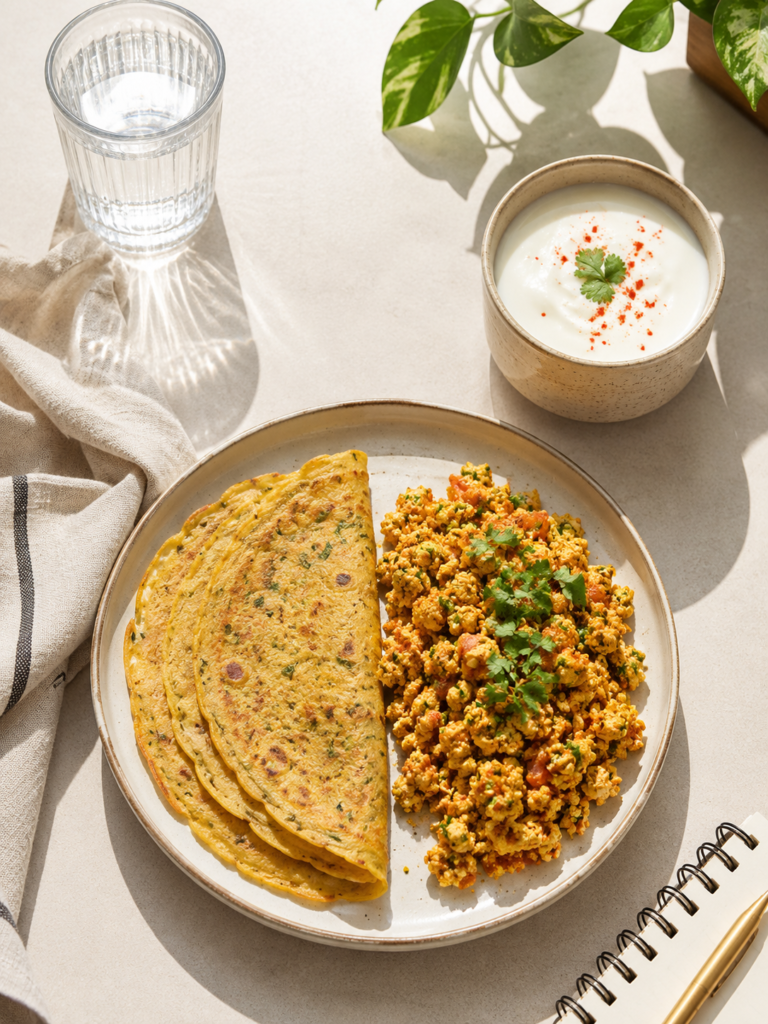
- Moong dal chilla with a small bowl of curd.
- A boiled egg with toast (non-veg option).
30–60 minutes before (light and fast-digesting):
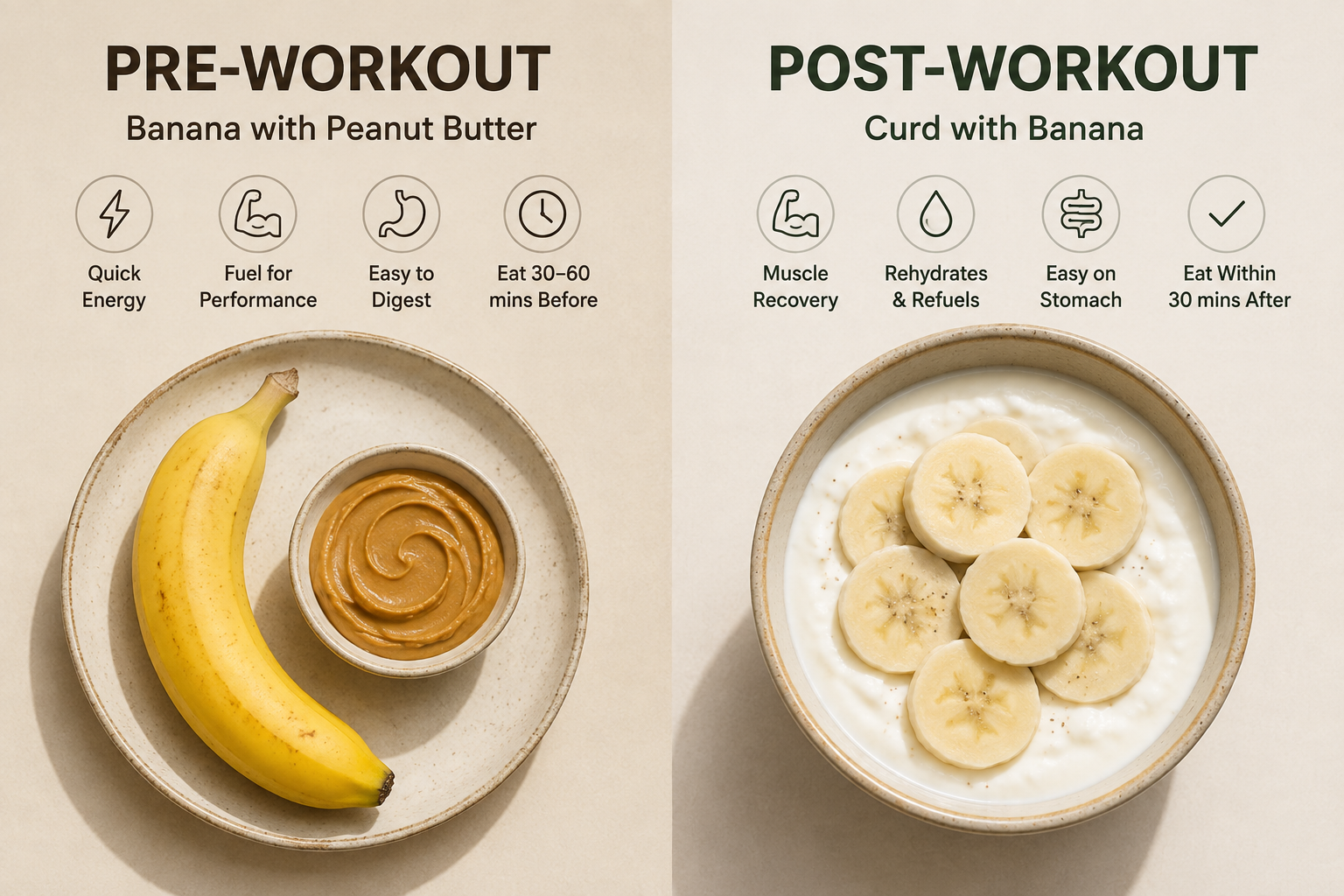
- A banana with a spoon of peanut butter.
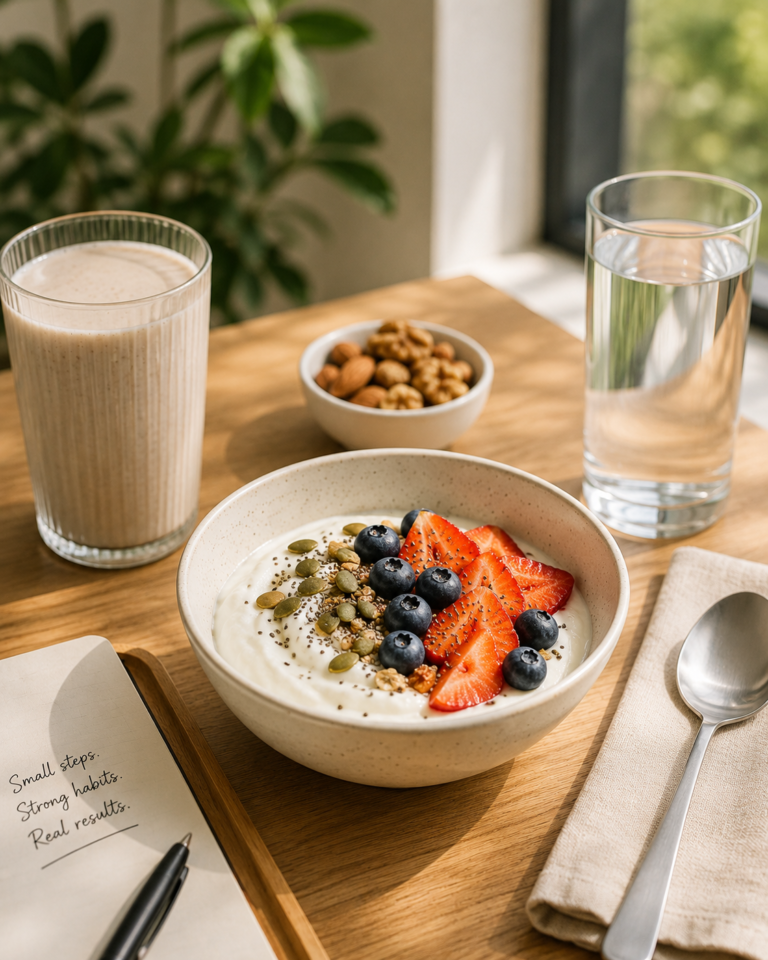
- A small bowl of curd with honey.
- A few dates with soaked almonds.
- Black coffee (unsweetened, if you tolerate caffeine well) — this can boost focus and fat burning.economictimes.
What to avoid right before training
Skip high-fat, high-fiber, or very heavy meals close to your workout. These digest slowly and can cause bloating, cramps, or nausea mid-session.
What to eat after a workout
The general rule
Aim for 25–30g of protein within 30–45 minutes of finishing your workout, especially if you trained fasted or won’t eat a full meal soon after. Pair this with carbohydrates if your next full meal is more than an hour or two away.
Simple post-workout meal ideas
Quick options (within 30 minutes):
- Greek yogurt or thick curd with a banana and a drizzle of honey — delivers roughly 25g protein and 40g carbs.
- Moong dal chilla with curd — high in protein and fiber, gentle on digestion.economictimes.
- A protein shake blended with banana and milk.
Fuller meal options (within 1–2 hours):
- Grilled paneer or chicken with rice and roasted vegetables.
- Rajma or chole with rice and a side of curd.
- Eggs with toast and a side of fruit (non-veg option).
Do you need carbs immediately after every workout?
Not necessarily. For standard strength training sessions (45–60 minutes, moderate intensity), glycogen depletion is modest, and your next regular meal will handle replenishment fine. Immediate carb loading matters more after long or high-intensity sessions (60+ minutes) or if you’re training twice in one day.
Special considerations for women
Menstrual cycle affects your needs
During the luteal phase (the two weeks before your period), your metabolism rises slightly and protein breakdown increases. Some research suggests adding an extra 10–15g of protein per day during this phase to offset this.
Iron needs increase with training
Active women lose more iron through sweat and, in runners, through foot-strike impact — combined with menstrual blood loss, this raises the risk of iron deficiency. Include iron-rich foods like spinach, lentils, and lean meats in your post-workout meals, and pair plant iron sources with vitamin C (like lemon or amla) for better absorption.
Hydration and electrolytes
Sip water consistently before, during, and after your workout — don’t wait until you feel thirsty. If you sweat heavily or train in heat, add a pinch of salt to your water for natural electrolyte replacement; you don’t need expensive electrolyte drinks for typical gym sessions.
Sample pre- and post-workout combos
| Workout Time | Pre-Workout (30–60 min before) | Post-Workout (within 45 min) |
|---|
| Workout Time | Pre-Workout (30–60 min before) | Post-Workout (within 45 min) |
|---|---|---|
| Morning | Banana + black coffee | Curd + banana + honey |
| Afternoon | Moong dal chilla + curd | Paneer/chicken + rice + veggies |
| Evening | Dates + soaked almonds | Protein shake + banana |
When protein powder helps here
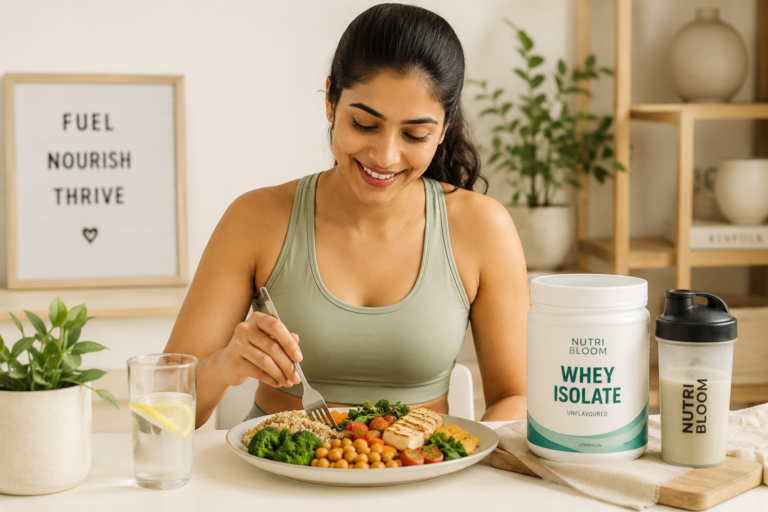
If you often can’t eat a full meal within 45 minutes of training — for example, if you work out at the gym and then commute home — a protein shake is a practical, portable solution to hit your post-workout protein target.
Common mistakes beginners make
- Training on a completely empty stomach for long sessions — this can lead to fatigue, dizziness, and poor performance.
- Eating heavy, fatty meals right before training — causes bloating and sluggishness.
- Skipping post-workout food entirely — delays recovery and can increase soreness.fitnesseducation.
- Obsessing over the “30-minute window” — it’s helpful, but your total daily protein intake matters more than hitting an exact time.
Final thoughts
Getting your pre- and post-workout nutrition right doesn’t require complicated meal timing charts or expensive supplements. Focus on eating a balanced meal 2–3 hours before training, a light snack if needed closer to your session, and 25–30g of protein within 45 minutes after — then let your overall daily nutrition do the rest of the work.