7 High-Protein Breakfast Ideas for Better Energy and Recovery
Mornings often decide how the rest of your day feels. A high-protein breakfast can help keep your energy steady, reduce mid-morning hunger, and support better recovery if you exercise regularly.
The good news is that you do not need complicated recipes or expensive ingredients to eat more protein in the morning. In this article, you will find 7 simple high-protein breakfast ideas that are easy to prepare and fit into a healthy lifestyle.
Why High-Protein Breakfasts Help With Energy and Recovery
A high-protein breakfast can help you feel fuller for longer and may reduce the urge to snack on low-quality foods later in the day. It can also support more stable energy levels compared with breakfasts that are mostly sugar or refined carbs.
Protein is also important for muscle repair and recovery, especially if you work out, walk regularly, or are trying to stay active. Starting the day with a balanced breakfast that includes protein can be a simple way to support both wellness and recovery goals.
Quick Tips Before You Start
Before you change your breakfast, it helps to keep things as simple as possible. These quick tips will make it easier to actually follow the ideas in this article .
- Start with one or two new breakfasts and repeat them during the week instead of trying all seven at once.
- Aim for at least 15–25 grams of protein in your breakfast by combining foods like eggs, paneer, yogurt, milk, lentils, or sprouts.
- Prep small parts the night before, such as cutting fruit, soaking oats, or boiling eggs, so mornings stay quick and stress-free.
7 High-Protein Breakfast Ideas
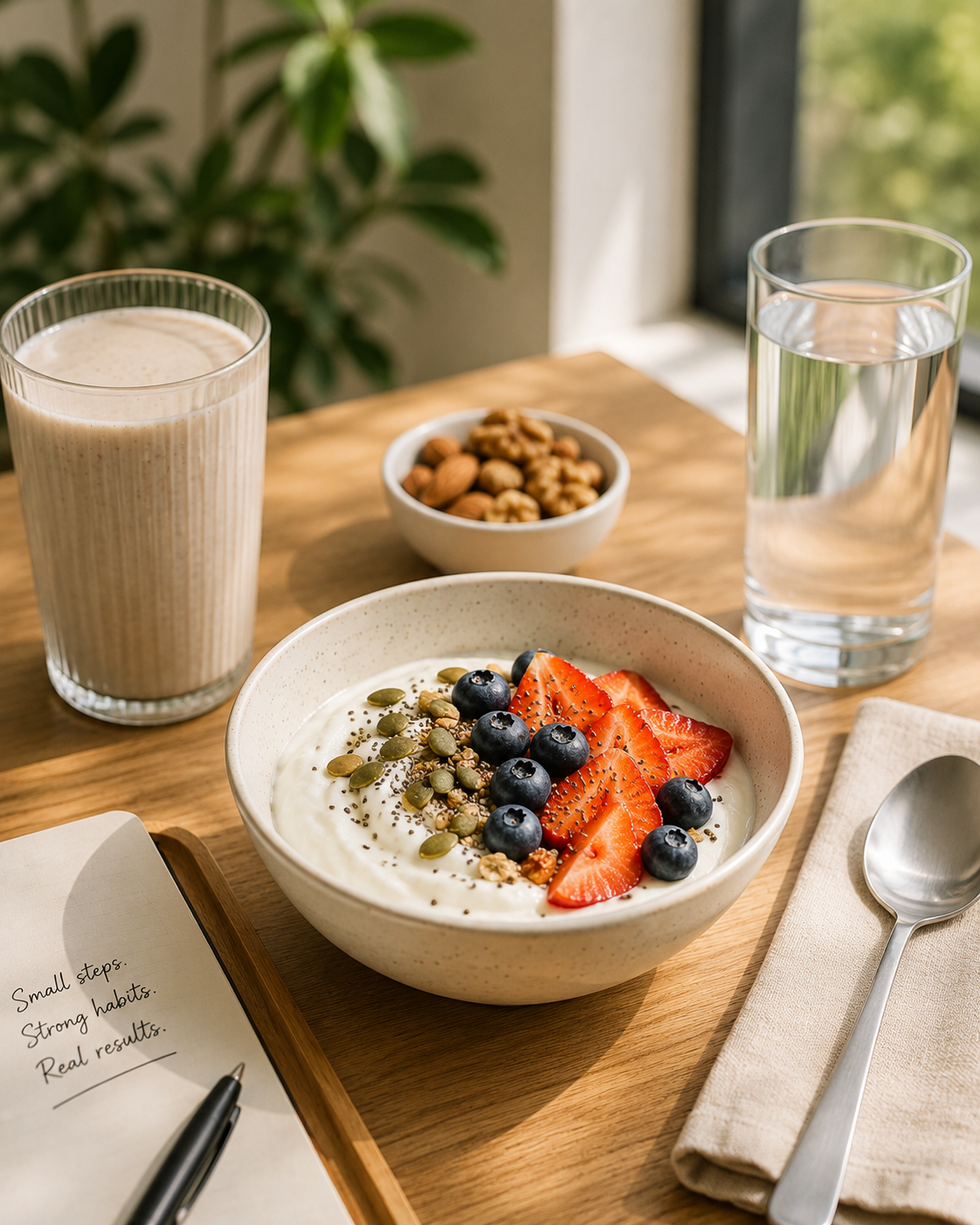
Idea 1 – Greek Yogurt Bowl with Fruit and Seeds
A yogurt bowl is one of the fastest ways to build a high-protein breakfast. Using thick curd or Greek-style yogurt gives you more protein per spoon and pairs well with fruit and crunchy seeds.
Ingredients list
- 1 cup Greek yogurt or thick curd (hung curd works well)
- ½ cup chopped fruit (banana, apple, berries, or seasonal fruit)
- 1–2 tablespoons mixed seeds (chia, pumpkin, sunflower, or flax)
- Optional: a small drizzle of honey or jaggery for taste
HOW TO MAKE
Add the yogurt to a bowl, top with fruit and seeds, and sweeten lightly if needed. If you prefer a cold breakfast, you can assemble it the night before and keep it in the fridge for the next morning . This idea is ideal for busy mornings because it takes about 5 minutes once the ingredients are ready.
Idea 2 – Paneer and Veggie Scramble
Paneer is a simple and filling source of protein that works well in a savory breakfast. When cooked with basic vegetables and mild spices, it becomes a quick breakfast that supports both energy and recovery.
Ingredients list
- 100–150 grams paneer, crumbled
- 1 small onion, chopped
- 1 small tomato, chopped
- 1 small capsicum, chopped
- 1 teaspoon oil or ghee
- Salt, pepper, turmeric, and chilli flakes to taste
- Optional: coriander leaves for garnish
HOW TO MAKE
Heat oil or ghee in a pan, sauté the onion and capsicum, then add the tomato and spices. Once the vegetables soften slightly, add the crumbled paneer and cook for a few minutes until everything is well combined.You can eat this on its own or pair it with one roti, whole grain toast, or a side of curd for a more balanced meal.
Idea 3 – Overnight Oats with Protein
Overnight oats are a practical option for people who want breakfast ready as soon as they wake up. By combining oats with milk, yogurt, or a little protein powder, you can make a breakfast that is more filling and balanced than plain oats alone.
Ingredients list
- ½ cup rolled oats
- 1 cup milk or a milk alternative
- 2–3 tablespoons yogurt
- 1 tablespoon chia seeds
- Optional: ½ scoop protein powder
- Optional toppings: banana slices, nuts, cinnamon, or peanut butter
HOW TO MAKE
Mix the oats, milk, yogurt, and chia seeds in a jar or bowl, then leave it in the fridge overnight. In the morning, stir it well and add your preferred toppings before eating.This is a useful breakfast for busy routines because most of the work is done the night before.
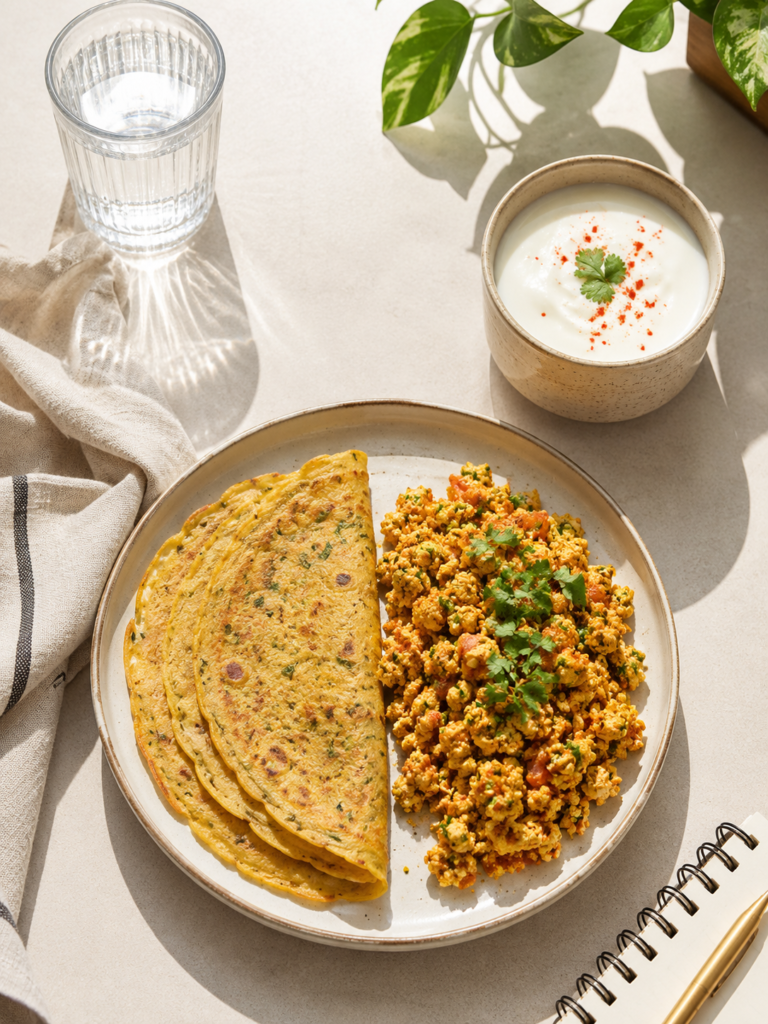
Idea 4 – Besan Chilla with Curd
Besan chilla is a simple savory pancake made from gram flour. It naturally contains more protein than many regular flour breakfast options and pairs well with a side of curd for extra protein.
Ingredients list
- ½ cup besan (gram flour)
- ¼ cup chopped onion, tomato, and capsicum (mixed)
- Water to make a smooth batter
- Salt, chilli, turmeric, and cumin to taste
- 1 teaspoon oil or ghee for cooking
- ½–1 cup plain curd on the side
HOW TO MAKE
Mix besan with water and spices to form a smooth batter, then stir in the chopped vegetables. Cook small chillas on a lightly greased pan until golden on both sides.Serving besan chilla with a bowl of curd makes the meal more satisfying and adds extra protein without much extra effort.
Idea 5 – Egg and Veggie Breakfast Sandwich
An egg and veggie sandwich is a familiar option that still gives you a good amount of protein. Using whole grain bread and simple vegetables makes it more filling and better for steady energy.
Ingredients list
- 1–2 eggs (boiled, scrambled, or omelette style)
- 2 slices whole grain or multigrain bread
- Slices of tomato, cucumber, or lettuce
- 1 teaspoon butter, ghee, or light spread (optional)
- Salt, pepper, and chilli flakes to taste
HOW TO MAKE
Toast the bread if you like, then layer the cooked egg with sliced vegetables and seasonings. You can prepare the vegetables in advance and cook the egg fresh in the morning.This works well as a grab-and-go breakfast if you need something you can eat during your commute or short break.
Idea 6 – High-Protein Smoothie
A smoothie is a convenient way to drink your breakfast, especially on hot days or when you are short on time. By combining milk, yogurt, fruit, and optional protein powder or nut butter, you can make a more balanced, high-protein drink instead of a sugary shake.
Ingredients list
- 1 cup milk or a milk alternative
- ½ cup yogurt or curd
- 1 small banana or ½ cup other fruit
- 1 tablespoon peanut butter or almond butter
- Optional: ½–1 scoop protein powder
- Ice cubes if you like it cold
HOW TO MAKE
Blend all the ingredients until smooth. Adjust the thickness with more milk or ice, and taste before adding any extra sweetener.Using a shaker bottle or travel-friendly flask can make it easy to carry this smoothie to the gym or work.
Idea 7 – Sprouts and Peanut Poha
Adding sprouts and peanuts to poha is an easy way to increase its protein content while keeping the familiar taste. This version stays light but more satisfying than plain poha.
Ingredients list
- 1 cup flattened rice (poha), rinsed and softened
- ½ cup mixed sprouts (moong, chana, etc.)
- 2 tablespoons roasted peanuts
- 1 small onion, chopped
- 1 small green chilli, chopped (optional)
- Curry leaves, mustard seeds, turmeric, salt
- 1–2 teaspoons oil
- Lemon juice and coriander for garnish
Temper mustard seeds, curry leaves, onion, and chilli in oil, then add sprouts and cook briefly. Add softened poha, turmeric, salt, and peanuts, mix gently, and finish with lemon juice and coriander.You can boil the sprouts in advance and store them in the fridge so the morning cooking time stays short.
How to Make These Breakfasts Fit Your Routine
Trying seven new recipes at once can feel overwhelming. A simple way to start is to choose one or two of these breakfast ideas and repeat them during the week. Once those feel easy, you can slowly add more variety.
You can also batch small tasks to save time. For example, boil eggs, prepare sprouts, chop basic vegetables, or pre-soak oats the night before. Keeping a few ingredients ready in the fridge makes it much easier to stick to a high-protein breakfast on busy mornings.
Finally, pay attention to how each breakfast makes you feel. If one option keeps you full and energised longer, prioritise it more often in your morning routine and adjust portion sizes based on your hunger and activity level.
Helpful Tools and Ingredients
You can make all of these breakfasts with basic kitchen tools. However, a few simple items can make prep and storage more convenient, especially if you like planning meals in advance.
- Leak-proof glass or steel containers for storing yogurt bowls, sprouts, and leftover paneer
- Airtight jars for oats, seeds, and nuts
- A reliable non-stick or cast iron pan for eggs and besan chilla
- A basic blender or mixer for smoothies and overnight oats
- A shaker bottle or insulated flask for carrying smoothies to work or the gym
In future, some product suggestions in this section may include affiliate links. If you choose to buy through those links, we may earn a small commission at no extra cost to you.
Frequently Asked Questions
1 Can I have a high-protein breakfast without eggs?
Yes. You can use paneer, curd, Greek yogurt, sprouts, lentils, besan, milk, and plant-based options like tofu or soy milk to build a high-protein breakfast without eggs.
2 Is protein powder necessary for breakfast?
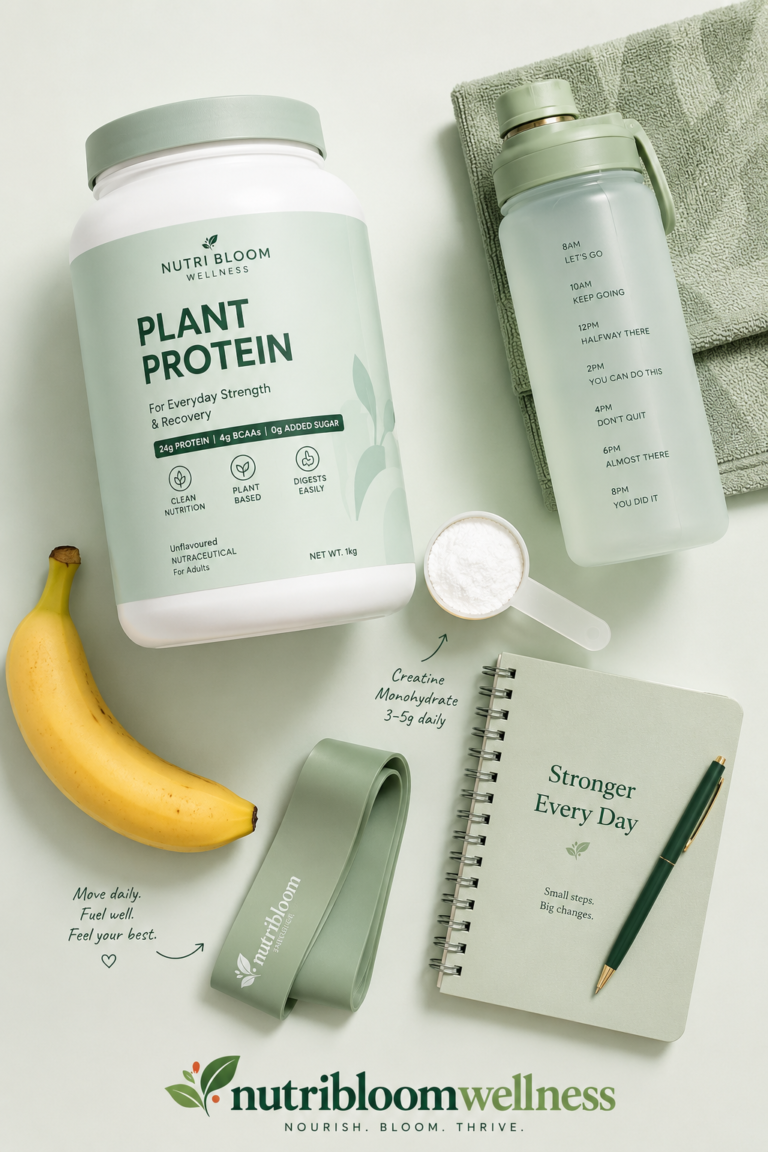
No. Protein powder can be helpful for convenience, but it is not required. You can get plenty of protein from regular foods like dairy, eggs, paneer, lentils, and sprouts.
3 Can these breakfast ideas help with weight loss?
These ideas may support weight loss when combined with an overall balanced diet and appropriate portion sizes. High-protein meals can help control hunger, but total daily calories and activity level still matter.
4 How much protein do I really need in the morning?
Needs vary, but many people aim for roughly 15–30 grams of protein at breakfast as part of their total daily intake. For specific targets, it is best to speak with a qualified healthcare or nutrition professional.
Final Thoughts
Shifting to a high-protein breakfast does not have to be complicated. Start with one or two ideas from this list, prepare some ingredients in advance, and give yourself a week or two to adjust.
Over time, you can rotate these breakfasts based on your taste, schedule, and goals. In future articles, we will explore high-protein snacks and simple meal ideas that match the same balanced approach.
If you are also working on better rest and recovery, you can read our guide on simple habits that improve recovery and sleep.

One Comment