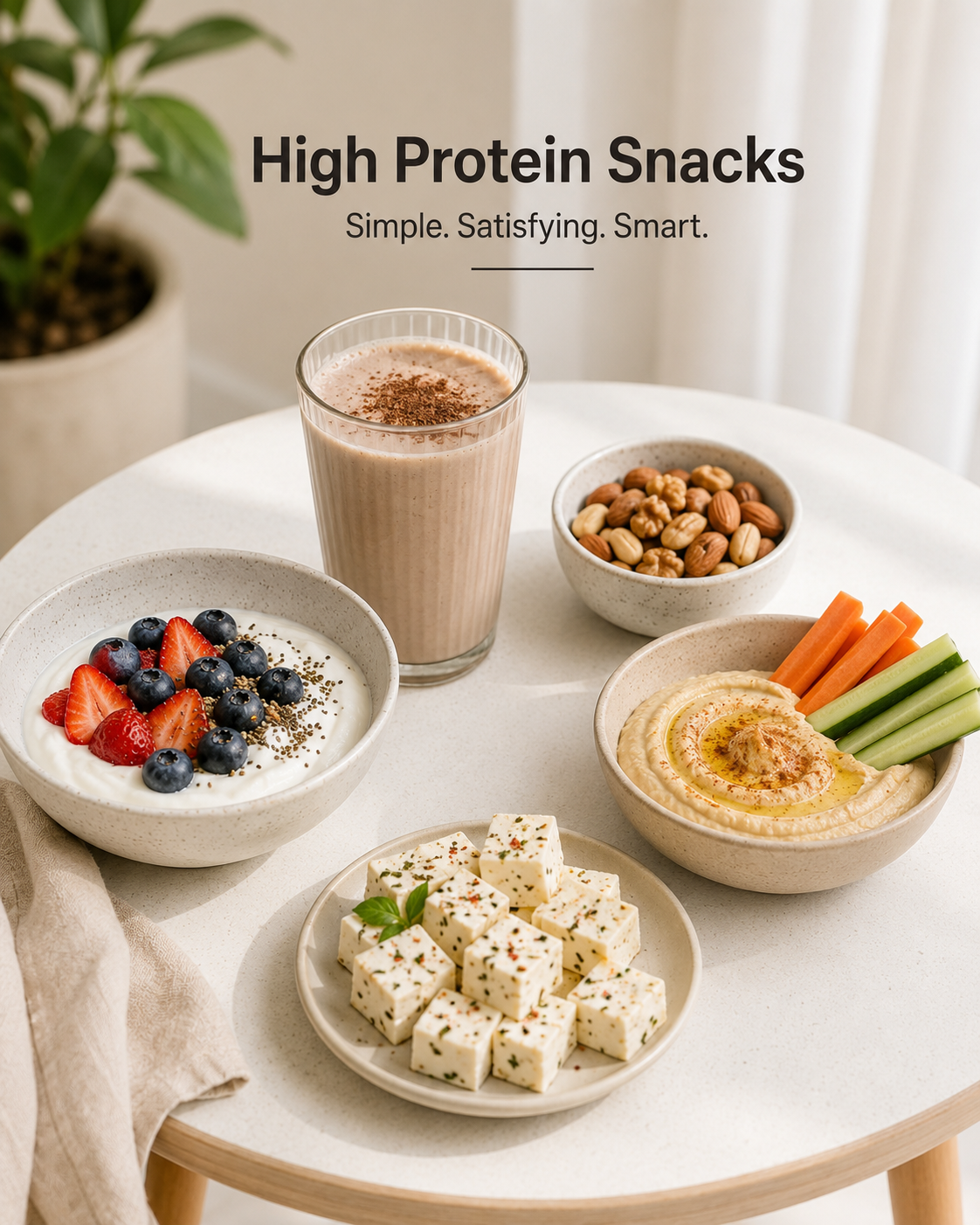
High-Protein Snacks For Busy Days : Simple Ideas To Keep You Full And Energized
High-protein snacks can help you feel fuller for longer, reduce those sharp sugar cravings, and support your recovery from a long day.
You’re not “weak” for craving snacks.
You’re tired, busy, and your body is asking for energy.
The problem usually isn’t willpower.
It’s that your meals and snacks are not giving you enough steady protein.
In this article, you’ll find simple snack ideas, quick ways to use them in your routine, and an easy guide to choosing store-bought options without overthinking.
Why Protein Snacks Help With Energy And Cravings
Most women are told to “eat less” when they feel out of control with food.
Often, the real solution is to eat enough protein.
Protein digests more slowly than simple carbs.
That means steadier blood sugar, fewer energy crashes, and fewer urgent sugar cravings.
Protein snacks also support your muscles and recovery, especially if you are on your feet a lot or trying to move more.
You feel less drained, and your hunger feels calmer and more predictable.
You don’t need to count every gram.
For many women, a snack with around 10–20 grams of protein is a useful target, depending on their size and activity.
Simple High-Protein Snack Ideas You Can Actually Stick To
1 Greek yogurt with fruit and seeds
Greek yogurt is an easy way to get a good amount of protein in one small bowl.
It keeps you full and works for both sweet and less-sweet cravings.
How to do it quickly:
Add a few spoons of Greek yogurt, some fruit, and a sprinkle of seeds or nuts.
You can prep small containers for 2–3 days so it is ready when you feel hungry.
2 Cottage cheese with fruit or veggies
Cottage cheese is another simple, high-protein option that doesn’t need cooking.
It works well as a light snack or a more filling mini-meal.
How to do it quickly:
Spoon cottage cheese into a bowl and add fruit if you want something sweet, or cucumber/tomato if you prefer savory.
Keep a small container of cottage cheese in the fridge just for snacks.
3 Roasted chickpeas or lentils
Cottage cheese is another simple, high-protein option that doesn’t need cooking.
It works well as a light snack or a more filling mini-meal.
How to do it quickly:
Spoon cottage cheese into a bowl and add fruit if you want something sweet, or cucumber/tomato if you prefer savory.
Keep a small container of cottage cheese in the fridge just for snacks.
4 Boiled eggs with veggies
Boiled eggs are one of the simplest high‑protein snacks.
They keep you full and are easy to carry if you’re out of the house.
How to do it quickly:
Boil a few eggs at once, keep them in the fridge, and peel when needed.
Pair them with cucumber, tomato, or carrot sticks and a little salt or seasoning.
5 Nuts and a small piece of fruit
Nuts give you protein, healthy fats, and crunch in a very small portion.
Adding a piece of fruit gives you some natural sweetness and fiber.
How to do it quickly:
Make small mix packs with a handful of nuts (like almonds, cashews, or walnuts) and one fruit such as an apple or banana.
Use a small container so the portion stays controlled but still satisfying.
6 Hummus with veggie sticks
Hummus is made from chickpeas, so it gives you plant‑based protein and fiber together.
It’s a good option when you want a savory, satisfying snack.
How to do it quickly:
Buy ready hummus or make a simple batch once a week.
Cut carrots, cucumber, or bell pepper into sticks and keep them in the fridge so you can grab and dip.
7 Edamame with sea salt
Edamame (young soybeans) are a high‑protein, high‑fiber snack.
They are great when you want something salty that still supports your goals.
How to do it quickly:
Use frozen edamame, boil or steam for a few minutes, then sprinkle with a little sea salt.
You can keep cooked edamame in the fridge and eat it cold or at room temperature.
8 Paneer cubes with spices
Paneer is a familiar, high‑protein option that works well as a snack, not just in meals.
It’s filling and can be made spicy or mild depending on your taste.
How to do it quickly:
Cut paneer into small cubes, sprinkle with salt, pepper, or simple spices like chili powder and roasted cumin.
You can lightly sauté it in a pan or eat it cold from the fridge as a fast snack.
9 Simple high-protein smoothies
Smoothies are useful when you don’t feel like chewing but still need protein and energy.
They are especially good after a walk, workout, or long workday.
How to do it quickly:
Blend milk or yogurt with a scoop of protein powder or paneer/curd, plus fruit and maybe some nut butter or seeds.
Keep the recipe simple so you can repeat it without thinking too much.
10 Whole-grain toast with peanut butter
Whole‑grain toast with peanut butter gives you protein, healthy fats, and carbs in one small snack.
It’s a good choice when you want something comforting and filling.
How to do it quickly:
Toast a slice of whole‑grain bread, spread peanut butter or another nut butter, and add banana slices or a little honey if you like it sweeter.
This works well as a mid‑afternoon or evening snack.
11 Store-bought protein bars (how to choose)
Protein bars can be helpful when you are outside or traveling and can’t keep fresh food.
But many bars are basically candy with extra protein.
How to choose quickly:
Look for around 8–15 g of protein, moderate calories, and not too much sugar per bar.
Check the label: shorter ingredient lists and less added sugar are usually better than “dessert‑style” bars.
How To Fit Protein Snacks Into Your Day
You don’t need a complicated meal plan.
You just need a few planned snacks in the right places.
Good times for a protein snack are:
mid‑morning, mid‑afternoon, or in the evening if there is a long gap after dinner.
Pick one or two moments that are hardest for you.
For many women, this is the 4–6 pm crash or late‑night cravings.
Decide in advance what you will have at that time.
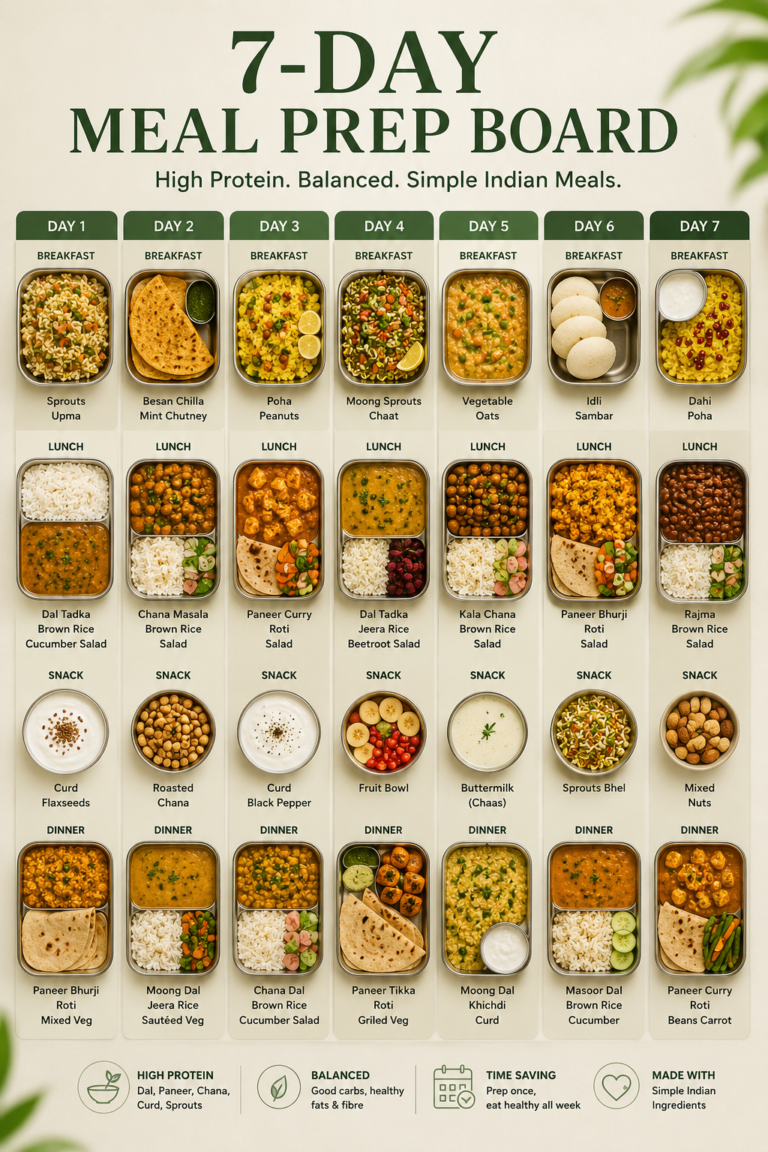
For example: Greek yogurt at 11:30, roasted chickpeas at 5 pm, or paneer cubes after work.
If you are active or walk/work out, use one protein snack in the 30–60 minutes after that.
This helps recovery and can reduce “I’m starving later” feelings.
Quick Guide To Store-Bought Protein Snacks
Store‑bought options are useful when you are busy or traveling.
But not every “high‑protein” label is actually a good choice.
Focus on three things on the label first:
protein, added sugar, and fiber.
For most protein snacks, aim for around 8–15 g of protein per serving.
Check that added sugar is not very high and there is at least a little fiber.
Short ingredient lists are usually better than very long ones.
If sugar or syrup is one of the first ingredients, or it looks like a candy bar, choose something else.
Whenever possible, choose whole‑food based snacks first (yogurt, nuts, chickpeas, paneer).
Use bars or packaged snacks as backups, not your main daily source.
FAQs About Protein Snacks
1 Can I eat protein snacks at night?
Yes, you can include a protein snack at night if you are genuinely hungry.
For many women, a high‑protein, moderate‑fiber snack is better than grabbing random sweets.
Options like yogurt, cottage cheese, chickpeas, edamame, or paneer can work well.
Just keep the portion reasonable and choose something that feels light for your stomach.
2 How many protein snacks should I have in a day?
Most people do well with one or two planned snacks a day.
You don’t need to snack all the time if your meals are balanced.
Use snacks to fill the longest gaps between meals or around activity.
If you notice you are snacking constantly, your main meals may be too small or too low in protein.
3 What if I don’t like dairy?
You can still get plenty of protein without dairy.
Plant‑based options like chickpeas, lentils, hummus, nuts, seeds, and edamame are all great choices.
You can also use soy‑based products or a plant protein powder if that suits your digestion.
The idea is the same: build snacks that keep you full and steady instead of spiking your cravings.
One Comment