Beginner Gym Supplement Stack: What to Actually Buy First
If you have recently joined a gym, it is very easy to feel like you need to buy everything.
Protein powder. Creatine. Pre-workout. BCAAs. Fat burners. Collagen. Electrolytes. Multivitamins. Detox teas.
But here is the honest truth: you do not need a cupboard full of supplements to get stronger, lose fat, or look more toned.
Most beginners see better results by focusing on three basics first:
- A workout plan they can follow consistently
- Enough protein and balanced meals
- Good sleep, hydration, and recovery
Supplements can be useful, but only when they solve a specific problem. They should make your routine easier—not become another expensive source of confusion.
This guide explains what women should actually buy first, what can wait, and what is usually not worth your money.
This article is for general education only and is not medical advice. If you are pregnant, breastfeeding, under 18, have kidney or liver disease, take medication, or have another medical condition, speak with a doctor or registered dietitian before taking supplements.
Affiliate Disclosure
Affiliate Disclosure: This article may contain affiliate links. If you buy through these links, I may earn a small commission at no extra cost to you. I only recommend products I would be comfortable suggesting to a close friend. I recommend checking the current product label, serving size, seller, price, expiry date, and return policy before purchasing.
The beginner truth: supplements are not the foundation
A supplement is something that adds to a strong routine. It cannot replace poor food choices, irregular workouts, low sleep, or a lack of protein.
Before you buy anything, ask yourself:
- Am I training consistently at least 2–3 times a week?
- Do I eat enough protein from food most days?
- Am I drinking enough water?
- Do I sleep reasonably well?
- Do I have a clear fitness goal: fat loss, muscle gain, strength, or better energy?
If your answer is “no” to most of these, start there first.
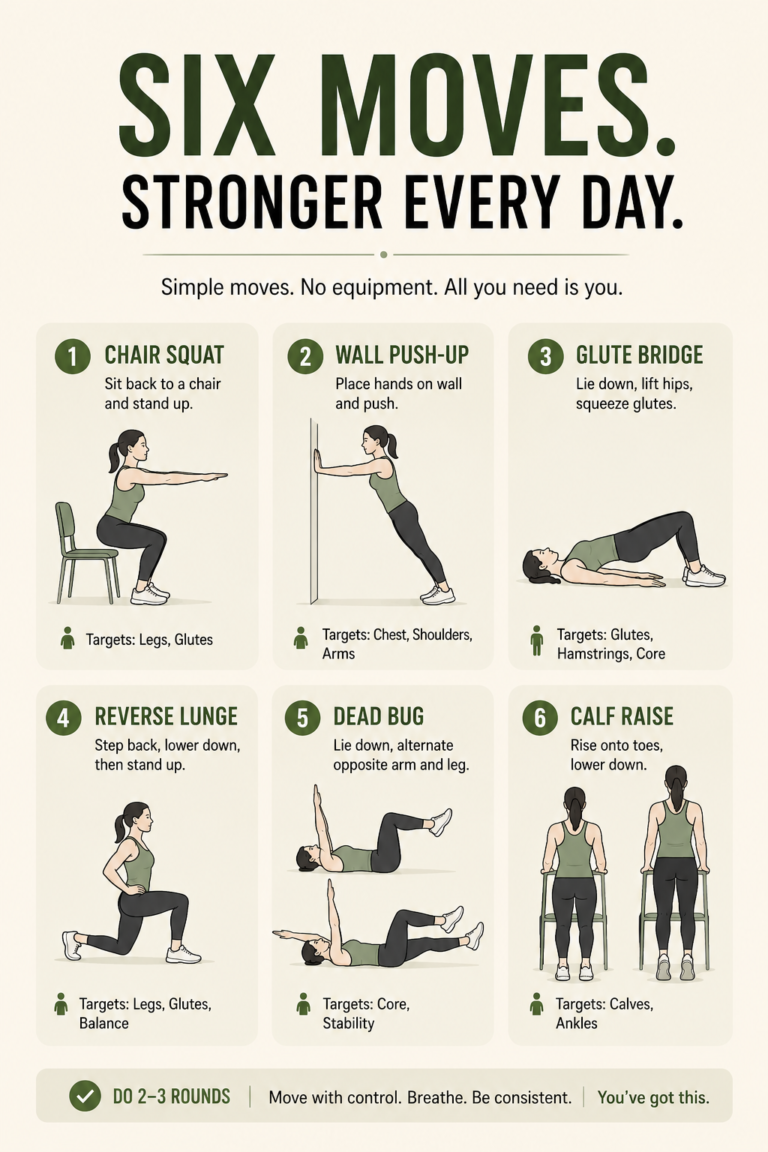
A good beginner routine includes full-body strength training two or three times a week, regular walking or cardio, and balanced meals. You do not need a supplement to begin this process.
The simple beginner supplement stack
For most women who are new to the gym, this is the simplest and most practical order of priority:
| Priority | Supplement | Who It Helps | Should a Beginner Buy It? |
|---|---|---|---|
| 1 | Protein powder | Women who cannot meet protein needs through food | Optional but often useful |
| 2 | Creatine monohydrate | Regular strength trainees wanting strength and muscle support | Optional; buy after consistency |
| 3 | Vitamin D, iron, B12, or other prescribed nutrients | Women with confirmed deficiencies | Only after tests/medical guidance |
| 4 | Electrolytes | Women doing long, hot, sweaty workouts | Only when needed |
| 5 | Caffeine/coffee | Women who tolerate caffeine and want occasional energy | Optional; use carefully |
| 6 | Pre-workout, BCAAs, fat burners, detox teas | Most beginners | Usually skip |
1. Protein powder: the most useful first purchase
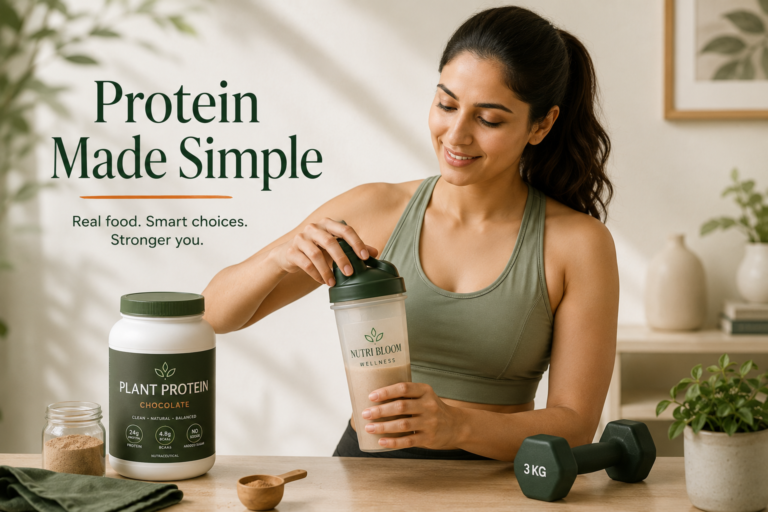
Protein powder is not compulsory, but it is often the most practical first supplement for women who are busy, vegetarian, training regularly, or consistently falling short on protein from food.
A scoop of protein powder generally provides a convenient 20–25 g of protein, depending on the product. It can help you make a breakfast smoothie more filling, replace a low-protein snack, or support recovery when you cannot eat a meal after the gym.
Protein powder is especially useful if:
- You work out three or more times per week
- You are vegetarian and struggle to get enough protein from meals
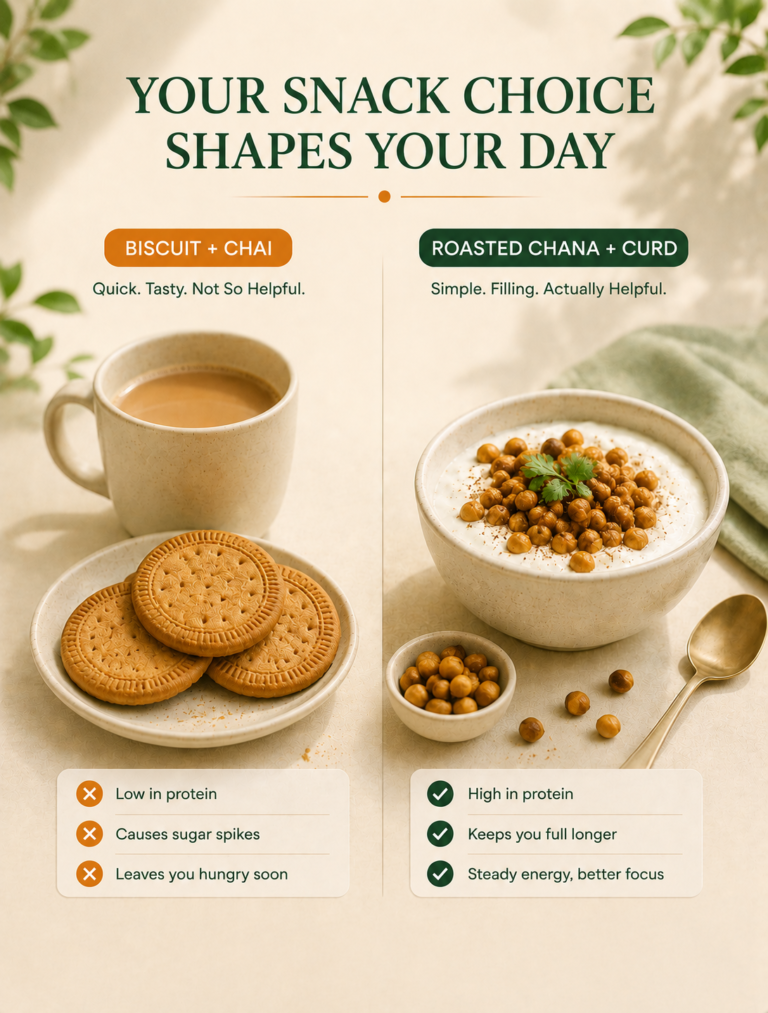
- You regularly have tea, biscuits, toast, or packaged snacks instead of a proper protein snack
- You cannot eat a full meal for a while after training
- You want a convenient way to support your daily protein target
It is not a fat-loss drink by itself. You will not lose fat just because you add protein powder while eating far more calories than your body needs. Think of it as a practical food tool, not magic.
Which type should you choose?
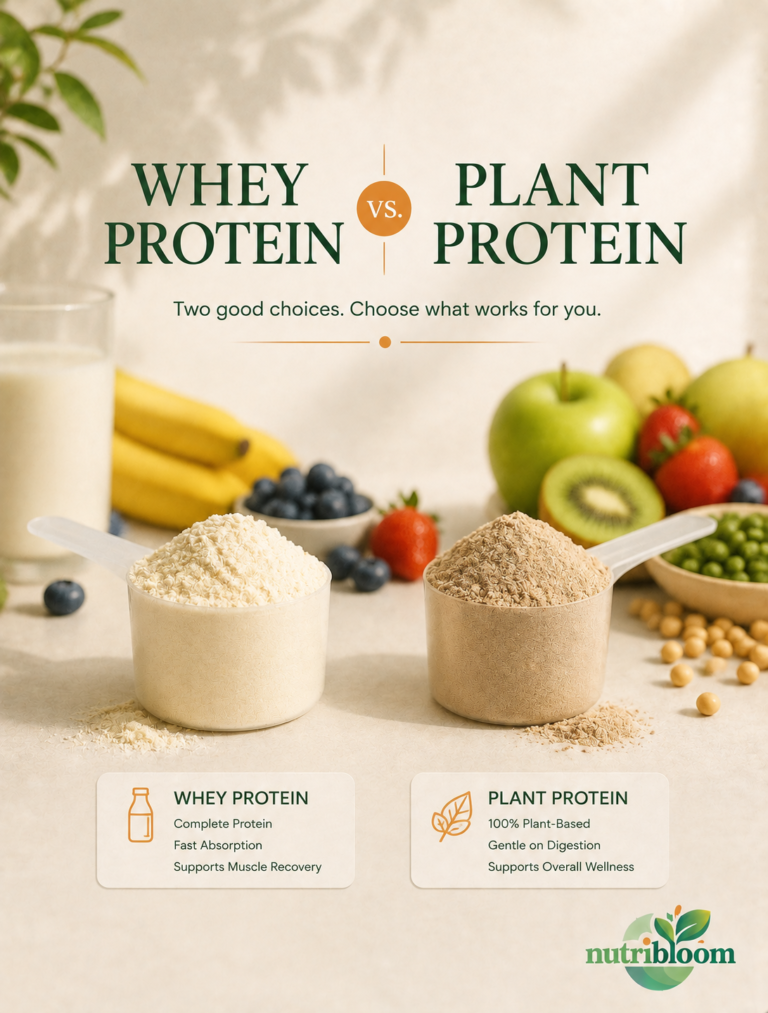
- Choose whey protein if you tolerate dairy and want a generally affordable, complete protein option.
- Choose whey isolate if you are lactose-sensitive or prefer a product with less lactose and fat.
- Choose a plant-protein blend, ideally pea plus rice or a similar blend, if you are vegan, lactose-intolerant, or whey does not suit your digestion.
- “best protein powders for women in India”
- “whey protein for women”
- “plant-protein blend for women”
2. Creatine monohydrate: the best next supplement for strength
Once you have been training consistently for around 4–8 weeks and want to improve strength, gym performance, and muscle-building support, creatine monohydrate is worth considering.
Creatine is not a steroid. It is a naturally occurring compound stored in muscles that helps produce rapid energy during short, intense efforts such as resistance training, sprints, and repeated gym sets.
Creatine monohydrate is one of the most extensively studied sports supplements. Research reviews generally support its safety and effectiveness for healthy adults when it is taken at standard amounts.
Potential benefits of creatine
With regular strength training, creatine may help you:
- Perform slightly more repetitions or lift a little more weight
- Improve strength over time
- Support lean muscle gain
- Improve high-intensity exercise performance
- Recover better between hard sets for some people
Creatine does not directly burn fat. However, becoming stronger and preserving/building muscle can support a better body composition over time.
How much creatine should beginners take?
For most healthy adult beginners:
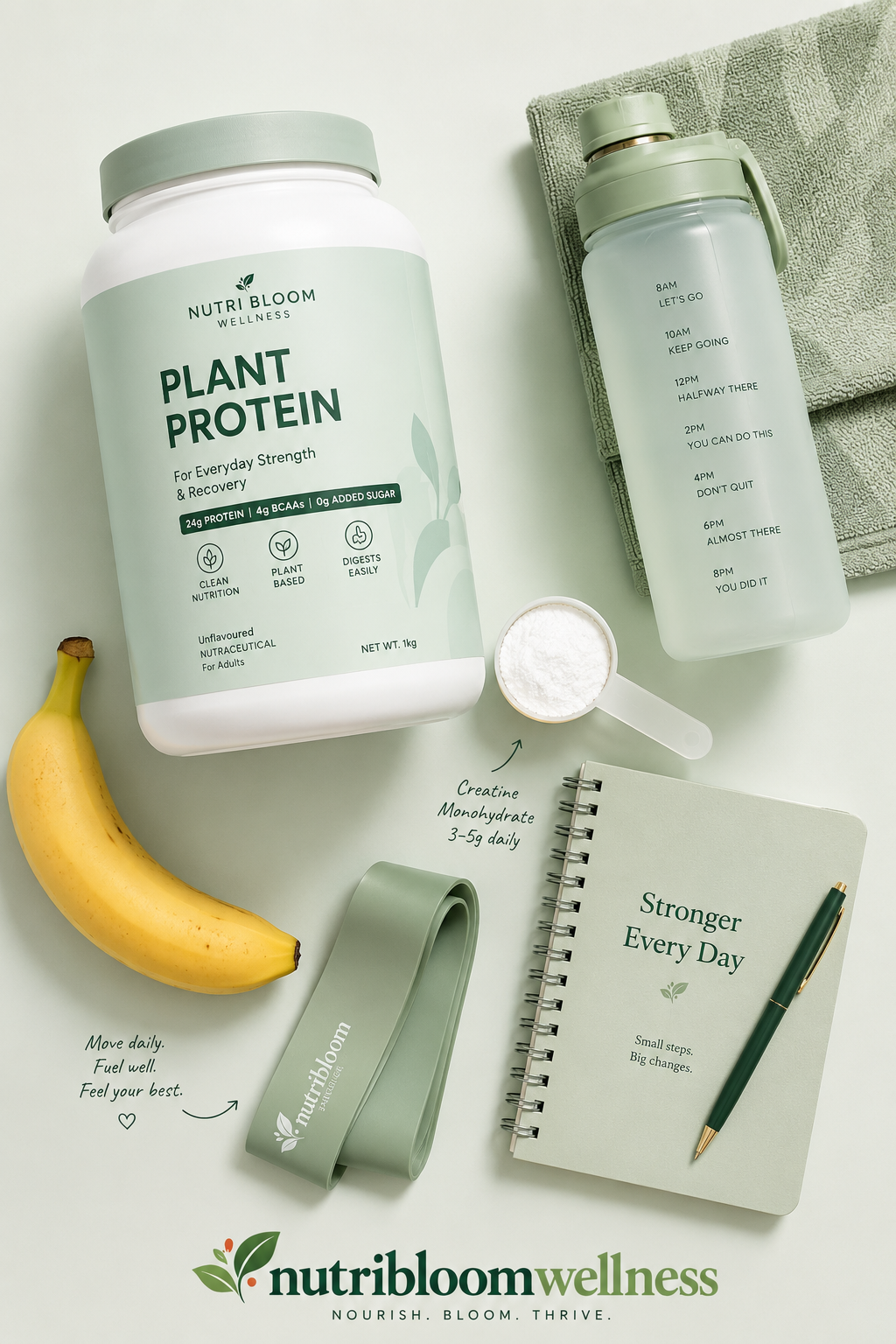
- Take 3–5 g of plain creatine monohydrate once daily.
- Take it whenever you will remember consistently; with a meal or post-workout is convenient.
- Drink water regularly through the day.
- You do not need a loading phase.
A loading phase—taking around 0.3 g per kg daily for 5–7 days—can saturate muscle stores faster, but taking 3–5 g daily without loading reaches similar saturation in roughly 3–4 weeks.
What to expect when you start
Some people notice a small increase on the scale in the first weeks. This is usually water stored inside the muscle, not body fat. It does not mean you are suddenly “bulky” or gaining fat.
A small number of people may experience stomach discomfort if they take too much at once. If that happens, use a lower daily amount, mix it well, and take it with food.
Who should avoid creatine without medical advice?
Do not self-start creatine without speaking to a doctor if you:
- Have kidney disease or a history of kidney problems
- Are pregnant or breastfeeding
- Take medicines that affect kidney function
- Have a condition that requires medical nutrition guidance
- Are under 18
3. Multivitamins and deficiency-based supplements
A multivitamin can be useful for some people, but it is not automatically required just because you joined a gym.
The best reason to take nutrients such as iron, vitamin D, vitamin B12, or calcium is because:
- A blood test shows a deficiency
- A doctor or registered dietitian recommends it
- You have a dietary pattern that puts you at greater risk and you have received appropriate advice
For example, fatigue, hair fall, poor recovery, and low energy can have many causes. Do not assume you need iron just because you feel tired. Too much iron can be harmful, so it should be used under medical guidance.
4. Electrolytes: useful sometimes, not every day
Electrolytes are minerals such as sodium and potassium that help with fluid balance and muscle function.
You usually do not need an electrolyte drink for a normal 45–60 minute gym workout. Water is enough for most regular training sessions.
Electrolytes may be helpful when:
- You exercise for a long time
- You sweat heavily
- You train outdoors in hot and humid conditions
- You do intense endurance workouts
- You are recovering after a very sweaty workout, illness, or travel—under suitable guidance
For a regular gym session, do not spend money on sugary sports drinks unless you genuinely need them. Water, regular meals, and a little salt in your usual diet are enough for most people.
5. Coffee or caffeine: optional, not required
Caffeine can improve alertness and make a workout feel easier for some people. For many women, a small cup of plain coffee 30–60 minutes before training is enough.
But caffeine is not necessary, and it is not suitable for everyone.
Avoid or limit it if you:
- Get anxiety, shaking, heart palpitations, or headaches
- Struggle with sleep
- Train late in the evening
- Already drink multiple cups of strong tea or coffee
- Are pregnant or have been advised to limit caffeine
Do not rely on coffee to “burn fat.” It can give a small performance or energy boost, but fat loss still depends on your overall nutrition, activity, and consistency.
Supplements most beginners should skip
Fat burners
Most fat burners are expensive caffeine blends with dramatic claims. They do not replace a calorie deficit, balanced meals, walking, strength training, or sleep.
Avoid products that promise:
- “Melt belly fat”
- “Lose 10 kg in 10 days”
- “Detox your body”
- “Block carbs”
- “Burn fat while sleeping”
If a product sounds too good to be true, it usually is.
BCAAs
If you already eat enough protein from food or protein powder, BCAAs are usually unnecessary. Quality protein already contains the amino acids your body needs.
Pre-workout powders
Most beginners do not need pre-workout. Many products contain high caffeine amounts, stimulants, or proprietary blends that make it hard to know what you are consuming. Coffee, a banana, water, and a balanced meal earlier in the day are usually enough.
Detox teas and flat-tummy teas
These products are often laxative-based and can cause dehydration, stomach cramps, or false short-term “weight loss” from water loss. They do not burn body fat.
Collagen as a gym supplement
Collagen may be relevant for some skin or joint goals, but it is not a complete protein and should not be your main protein source for muscle gain. Do not choose collagen instead of whey, plant protein, eggs, paneer, dal, chicken, fish, or tofu when your goal is strength and recovery.
Your purchase plan based on your goal
If your goal is fat loss
Start with:
- A balanced meal plan
- Walking or daily movement
- Strength training 2–3 times weekly
- Protein powder only if food protein is low
Skip:
- Fat burners
- Detox teas
- Expensive pre-workouts
- Random “slimming” powders
If your goal is muscle tone and strength
Start with:
- Protein-rich meals
- Protein powder if convenient
- Creatine monohydrate after you have built a regular strength-training routine
- A basic workout log to track exercises, weights, and repetitions
Skip:
- BCAAs
- Mass gainers unless you have a specific reason and professional guidance
- Fancy “women-only” supplements with unclear formulas
If your goal is better energy and general fitness
Start with:
- Regular meals
- Enough water
- Sleep
- A basic multivitamin only if appropriate for your lifestyle or advised by a professional
- Blood tests if you have persistent fatigue, hair fall, irregular periods, or other symptoms
Do not start multiple supplements at once. You will not know which one is helping—or causing side effects.
How to choose safe supplements in India
Before you click “buy,” check:
- The full ingredient list
- Exact serving size
- Protein or creatine amount per serving
- FSSAI compliance where applicable
- Batch number and expiry date
- Seller authenticity and recent product reviews
- Return policy
- Whether the brand provides testing or quality information
- Whether there are unnecessary stimulants, excessive sugar, or proprietary blends
Buy from the brand’s official store, an authorised seller, or a trusted retailer whenever possible. If the price seems unusually low, be cautious about product authenticity.
A simple beginner supplement routine
Here is what a practical, low-stress routine could look like.
Option 1: Food-first beginner
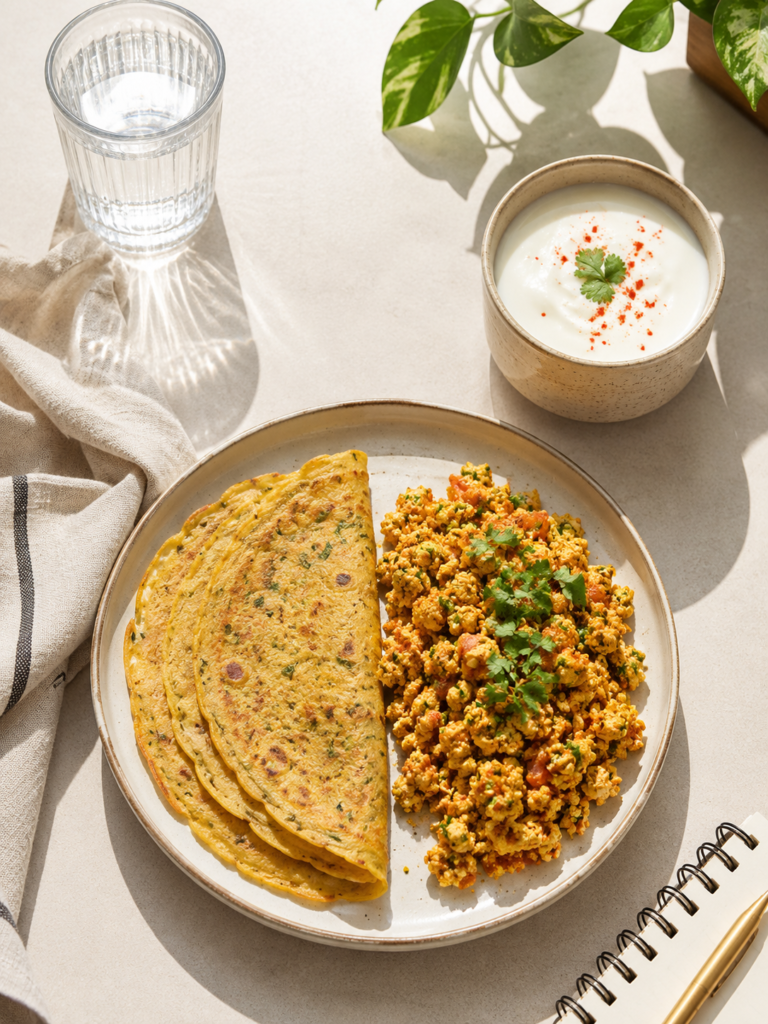
- Breakfast: Protein-rich Indian breakfast
- Workout: Water
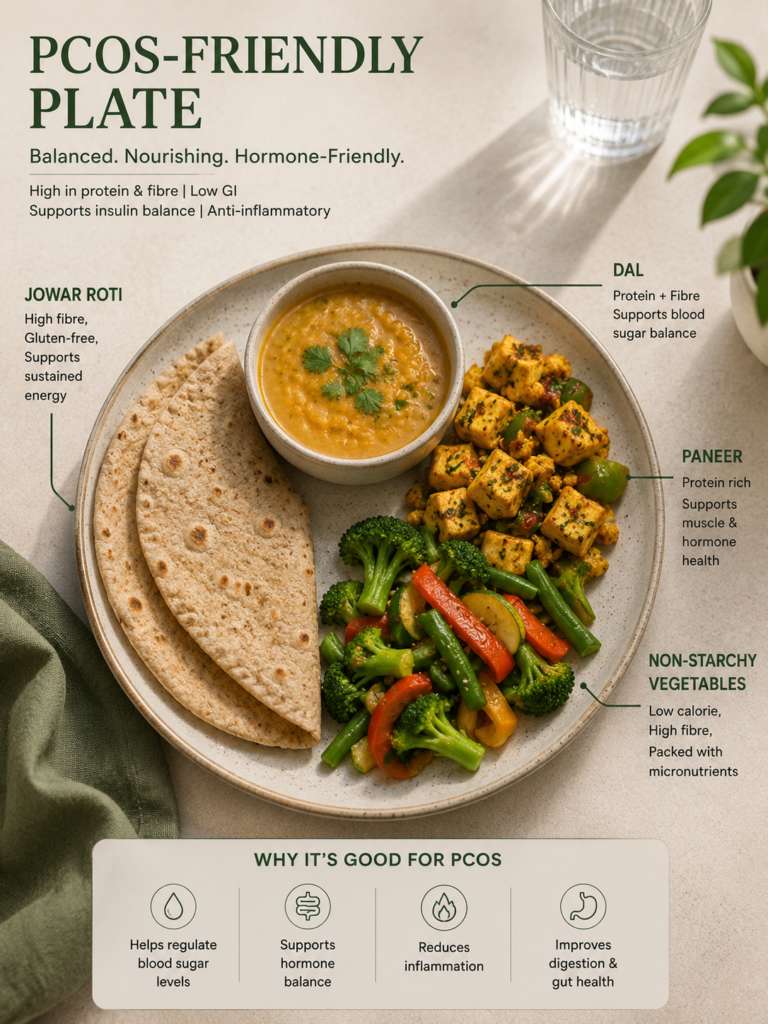
- After workout: Normal meal with dal, paneer, eggs, chicken, tofu, or curd
- Supplements: None required
Option 2: Busy college or working woman
- Breakfast: Regular balanced meal
- Workout: Water and optional fruit or coffee beforehand
- After workout: One protein shake if you cannot eat a meal soon
- Supplements: Protein powder only, if needed
Option 3: Consistent lifter after 4–8 weeks
- Training: Three regular strength workouts each week
- Protein: Food first, protein shake only when needed
- Supplement: 3–5 g plain creatine monohydrate daily
- Other supplements: Only if medically appropriate or based on confirmed needs
Frequently asked questions
Do beginner women need supplements for the gym?
No. You can make excellent progress with regular strength training, walking, sleep, hydration, and protein-rich meals. Supplements are optional tools, not requirements.
What is the best first supplement for women at the gym?
For a woman who struggles to meet protein needs through food, protein powder is usually the most useful first purchase. For women training consistently and wanting strength or muscle support, plain creatine monohydrate can be a reasonable next choice.
Is creatine safe for women?
Research and sports-nutrition position statements support creatine monohydrate as generally safe for healthy adults when used at recommended doses. However, women who are pregnant, breastfeeding, have kidney disease, take relevant medications, or have medical concerns should speak with a doctor before using it.
Will creatine make me gain fat or look bulky?
No. Creatine does not create body fat. Some people gain a small amount of water weight inside their muscles, which can show on the scale but is not fat gain. Building significant muscle size requires long-term progressive resistance training and suitable overall nutrition.
Do I need a pre-workout supplement?
No. Most beginners do not need it. If you want an energy boost and tolerate caffeine well, a small cup of coffee can be a simpler option. Avoid high-stimulant powders, especially if you train in the evening or are sensitive to caffeine.
Final thoughts
Your first gym supplement stack does not need to be a stack at all.
Start by training consistently, eating enough protein, walking regularly, sleeping properly, and drinking water. If food protein is difficult to manage, add a protein powder. Once you are consistently strength training and want a well-researched performance option, consider plain creatine monohydrate.
Everything else can wait.