Best Multivitamins for Women in India (Energy, Hair, Skin)
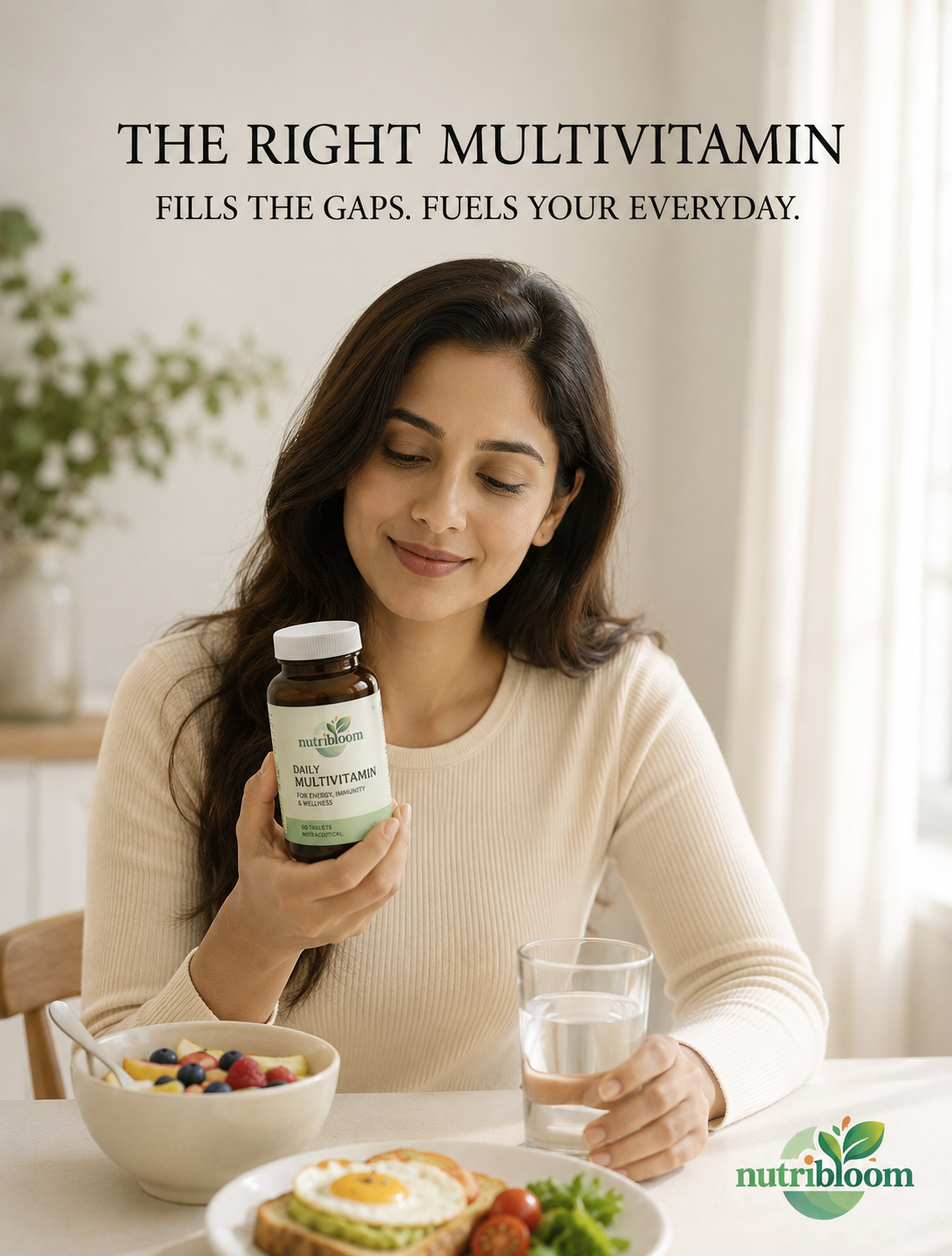
If you’re constantly tired, noticing more hair fall than usual, or your skin looks dull despite eating “okay,” a nutrient gap could be part of the problem. Many Indian women fall short on vitamin D, B12, iron, and zinc due to diet patterns, skipped meals, and lifestyle habits, and a well-chosen multivitamin can help fill these gaps.
This guide will help you understand what to actually look for in a multivitamin, rather than just picking one because of marketing or a friend’s recommendation.
This article is for general education only and is not medical advice. Please consult a doctor before starting any supplement, especially if you are pregnant, breastfeeding, or on medication.
Affiliate disclosure
Affiliate Disclosure:
This article may contain affiliate links. If you buy through them, I may earn a small commission at no extra cost to you. I only recommend products I would suggest to a close friend.
Why women need a different multivitamin than men
Women have distinct nutritional needs tied to menstruation, potential pregnancy, and hormonal shifts across life stages. Blood loss during periods increases iron requirements, while bone health concerns make calcium and vitamin D especially important .
A multivitamin formulated for women typically emphasizes:
- Iron – to offset monthly blood loss and prevent anemia.
- Calcium and vitamin D – for bone density and long-term skeletal health.
- Biotin and zinc – to support hair strength and skin health.
- Folate – important during childbearing years.
Key nutrients to look for
For energy
- Vitamin B12 – essential for energy production, especially important for vegetarians since B12 is mainly found in animal products.
- Iron – low iron is one of the most common causes of fatigue in Indian women.
- Magnesium – supports energy metabolism and can help with stress-related tiredness.
For hair fall
- Biotin – widely marketed for hair strength, though results vary by individual.
- Zinc – deficiency is linked to hair thinning.
- Iron and B vitamins – low levels are a common underlying cause of hair fall in women.
For skin health
- Vitamin C – supports collagen production and skin repair.
- Vitamin E and zinc – help with skin healing and inflammation control.
- Biotin – also linked to skin health alongside hair.
How to choose the right multivitamin
1. Check for nutrient balance, not mega-doses
A good multivitamin should cover a broad range of nutrients (vitamin D, B12, C, folate, iron, zinc, calcium, magnesium) at reasonable levels, rather than blasting one nutrient at 10x the recommended amount.
2. Look for absorbable forms
Chelated minerals and active vitamin forms absorb better than cheaper alternatives. For example:
- Ferrous bisglycinate (iron) causes less stomach upset than ferrous sulphate.
- Methylcobalamin (B12) is often better utilized than cyanocobalamin.
3. Match it to your lifestyle
Use this quick checklist:
- Vegetarian? → Prioritize B12, iron, zinc, calcium.
- Irregular meals or busy job? → Focus on B vitamins, iron, magnesium for energy.
- Active or gym-going? → Look for zinc, magnesium, vitamin C for recovery.
- High stress? → Magnesium, B-complex, and vitamin D matter most.
- Noticing hair fall? → Check for zinc, biotin, iron, and B vitamins.
4. Check for clean labels and certifications
Look for FSSAI approval, GMP compliance, and minimal artificial fillers or colors. If you’re vegetarian, confirm the capsule shell isn’t gelatin-based.
5. Prefer a simple daily dosage
A single daily tablet you can take consistently is more practical than a complicated multi-capsule regimen.
When and how to take a multivitamin
- With food – most multivitamins, especially those with iron and fat-soluble vitamins (A, D, E, K), absorb better with a meal and are less likely to cause nausea.
- Morning is often best – taking it with breakfast builds a consistent habit, and B vitamins can support energy through the day.
- Space out calcium and iron if your formula has high amounts of both, since calcium can interfere with iron absorption.
Multivitamin categories to consider
Instead of naming specific brands here, use these categories to guide your Amazon search, and add your own affiliate links to products you trust.
1. Everyday women’s multivitamin (general wellness)
Ideal for women wanting broad-spectrum support for energy, immunity, and daily nutrition gaps. Everyday Women’s Multivitamin
2. Hair, skin, and nails focused formula
Ideal for women specifically dealing with hair fall or dull skin, usually higher in biotin, zinc, and vitamin C.
Hair and Skin multivitamin for women
3. Iron and energy-focused formula
Ideal for women feeling constantly fatigued, with higher iron and B12 content.
Iron-Rich multivitamin for energy
4. Vegetarian/vegan-certified multivitamin
Ideal for strict vegetarians needing a clean, plant-based capsule with no gelatin.
Vegetarian Multivitamin for women
Common mistakes to avoid
- Choosing based on packaging alone – always check the nutrient panel, not just marketing claims.
- Mega-dosing single nutrients – more isn’t always better, and excess vitamin A or iron without medical guidance can cause harm.
- Replacing food with supplements – a multivitamin fills gaps; it doesn’t replace a poor diet.
- Ignoring interactions – if your multivitamin has both calcium and iron, take them a few hours apart for better absorption
FAQs
Can I take a multivitamin every day?
Yes, a multivitamin designed for daily use is generally safe for healthy adult women when taken consistently.
What are the most important nutrients for Indian women specifically?
Vitamin D, B12, iron, folate, calcium, and zinc are commonly flagged as the most important for Indian women’s diets and lifestyles.
Best time to take it?
Morning with breakfast is generally recommended for better absorption and habit-building.
Final thoughts
A good multivitamin can genuinely help with energy, hair fall, and skin health, but only when chosen based on your actual nutrient gaps rather than trends or packaging. Food should always come first, with supplements filling the remaining gaps.