Nutrition and Healthy Eating: A Simple Guide for Everyday Life
Healthy eating has become unnecessarily confusing.
One person says you should stop eating carbs. Another says you need to eat six small meals. Someone else says rice is bad, fruit has too much sugar, or you need expensive powders and imported superfoods to be healthy.
You do not.
Good nutrition is not about following a perfect diet for three days. It is about creating a way of eating that supports your energy, digestion, fitness, mood, skin, and long-term health—while still fitting into your normal life.
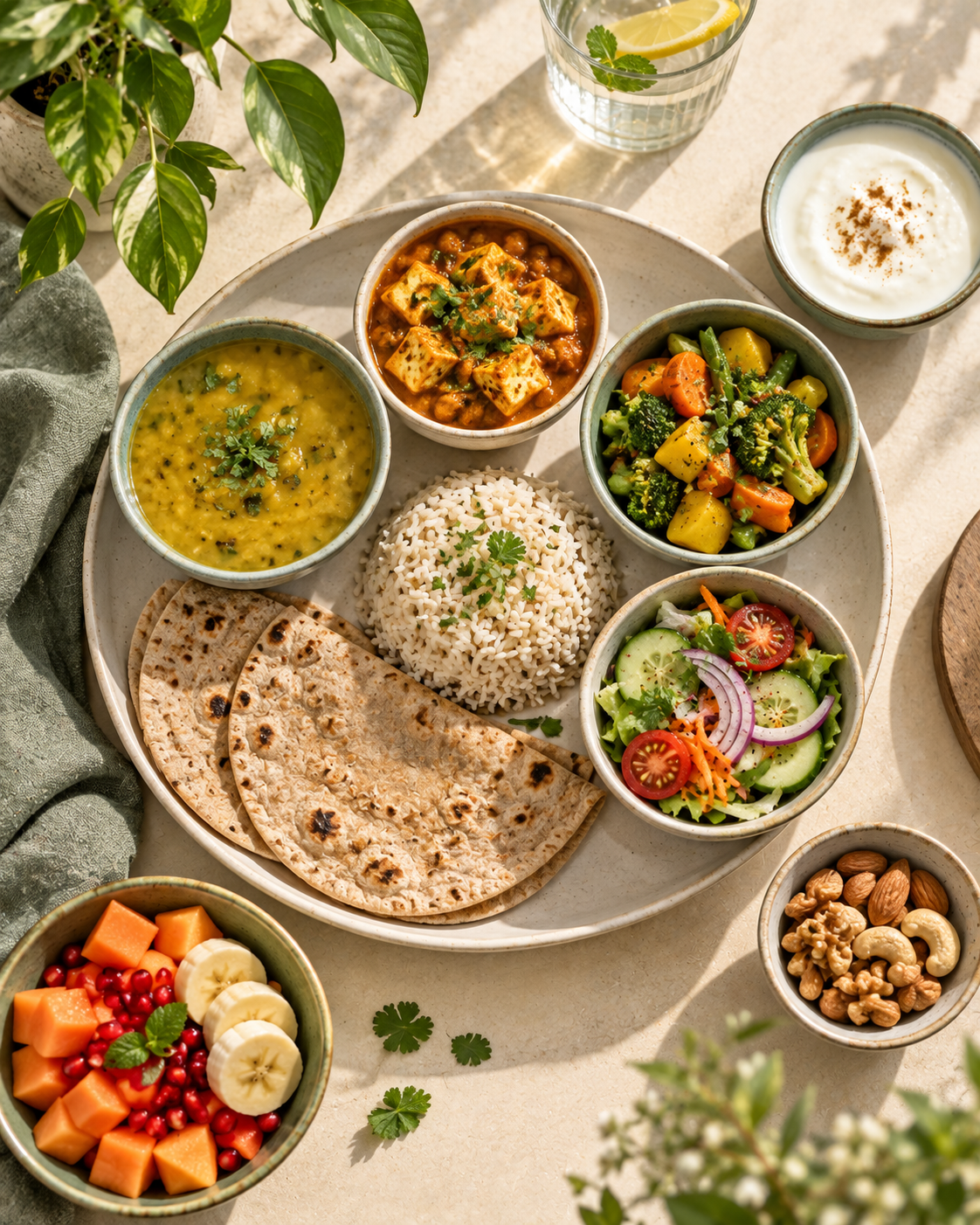
For most people, healthy eating can include familiar Indian foods such as roti, rice, dal, sabzi, curd, paneer, eggs, fruit, nuts, seeds, chicken, fish, and seasonal vegetables. The key is not to fear these foods. The key is to build balanced meals, eat enough protein and fibre, and make healthier choices most of the time.
This guide explains the basics of nutrition and healthy eating in a simple, realistic way for men and women of all ages.
This article is for general education only and is not medical advice. If you have diabetes, kidney disease, an eating disorder, food allergies, pregnancy-related needs, an ongoing medical condition, or specific nutrition concerns, speak with a doctor or registered dietitian for personalised advice.
What does healthy eating actually mean?
Healthy eating means choosing a variety of foods that provide your body with energy and essential nutrients.
Those nutrients include:
- Carbohydrates for energy
- Protein for muscles, recovery, hormones, skin, and many body functions
- Fats for brain health, hormones, and vitamin absorption
- Fibre for digestion, fullness, and blood-sugar support
- Vitamins and minerals for immunity, bones, energy, and overall body processes
- Water for hydration, digestion, circulation, and temperature regulation
A healthy diet does not have to be “perfect” at every meal. It is about your overall pattern across days and weeks.
For example, having a birthday dessert, restaurant meal, or chai with family does not make your diet unhealthy. Problems usually develop when highly processed foods, sugary drinks, fried snacks, and very low-fibre meals become the default every day.
The balanced plate method
The easiest way to make healthy eating less confusing is to use a simple plate method.
At lunch and dinner, aim for:
| Part of your plate | What to include | Indian examples |
|---|---|---|
| Half the plate | Vegetables and fruit | Sabzi, salad, leafy greens, carrots, cucumber, tomatoes, seasonal fruit |
| One-quarter | Protein-rich foods | Dal, rajma, chana, paneer, curd, tofu, eggs, chicken, fish |
| One-quarter | Whole grains or starchy foods | Roti, brown rice, regular rice in a sensible portion, oats, daliya, jowar, bajra, ragi |
| Small amount | Healthy fats | Ghee or oil in moderation, nuts, seeds, peanuts, avocado where available |
This general plate pattern matches widely used healthy-eating guidance: about half the plate from vegetables and fruits, one-quarter from whole grains, and one-quarter from healthy protein sources.
You do not need to measure every leaf of salad or every grain of rice. Use the plate as a visual guide.
The four basics of a healthy meal
1. Include protein in every main meal
Protein helps support muscles, recovery, immune function, hormones, and fullness after meals.
Many people eat a mostly carbohydrate-based breakfast, then feel hungry again quickly. A meal such as chai with biscuits, plain toast, or only poha may provide energy, but it often does not provide enough protein to keep you satisfied.
Try adding a protein source to breakfast, lunch, and dinner.
Good Indian protein options include:
- Dal and lentils
- Rajma, chana, chole, and sprouts
- Paneer
- Curd or Greek-style yogurt
- Milk
- Tofu and soy chunks
- Eggs
- Chicken
- Fish
- Nuts and seeds, as part of a balanced meal
Examples:
- Besan chilla with curd
- Poha with peanuts plus a bowl of curd
- Dal, roti, sabzi, and salad
- Paneer bhurji with roti
- Egg bhurji with toast
- Rajma rice with salad and curd
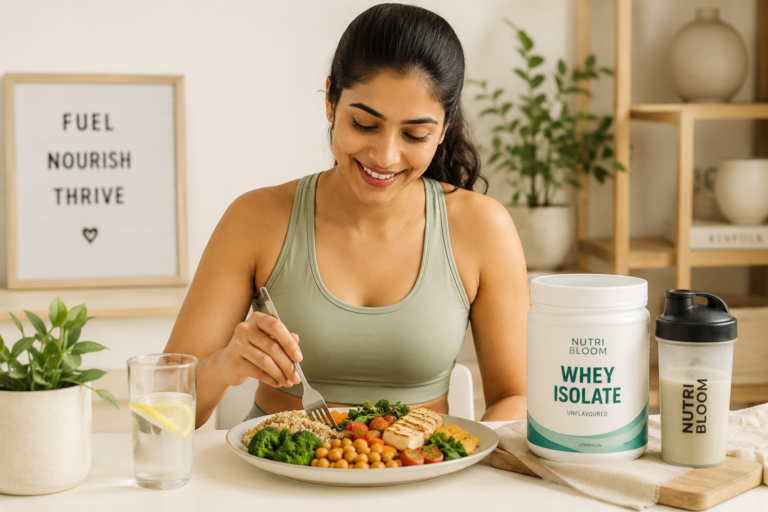
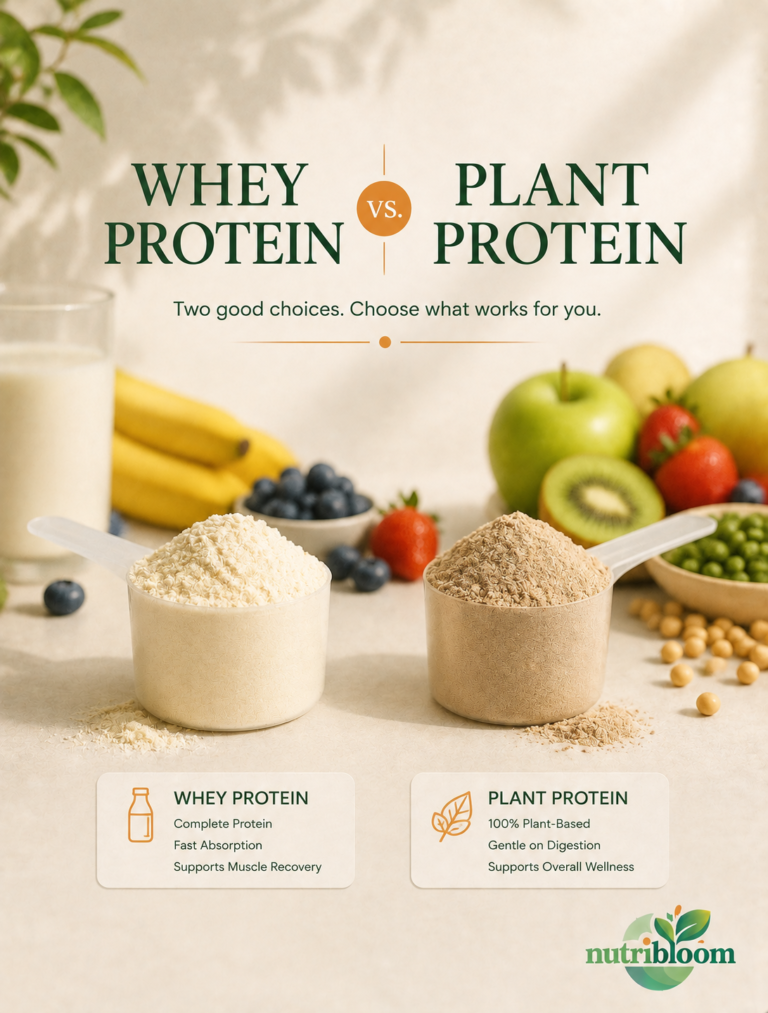
You do not need to eat protein powder unless you find it difficult to meet your needs through regular food. Whole foods should be the foundation.
2. Eat more vegetables and fruit
Vegetables and fruits provide fibre, vitamins, minerals, water, and natural plant compounds that support overall health.
WHO recommends that people older than 10 aim for at least 400 g of fruit and vegetables a day. Instead of weighing food, a simple goal is to include vegetables at lunch and dinner plus one or two servings of fruit across the day.
Easy ways to add more:
- Add cucumber, carrot, onion, tomato, or lemon salad with lunch
- Include one extra vegetable in dal, poha, upma, omelettes, or sandwiches
- Keep fruit visible on the kitchen counter
- Add spinach, methi, beans, gobhi, lauki, tori, bhindi, cabbage, or mixed vegetables to daily meals
- Choose a whole fruit instead of packaged juice when possible
- Add a handful of vegetables to noodles, rice, or khichdi
Fruit is not the enemy. Whole fruits contain fibre and nutrients. The main thing to limit is frequent sugary drinks, packaged fruit juices, and large amounts of added sugar.
3. Choose carbohydrates wisely, not fearfully
Carbohydrates are not bad.
Your body uses carbohydrates for energy, especially if you walk, run, play sports, work out, or have a physically active day. The goal is to choose better-quality carbohydrates most of the time and manage portions based on your activity level and goals.
Choose more often:
- Whole-wheat roti
- Oats
- Daliya
- Brown rice, red rice, or hand-pounded rice if you enjoy them
- Jowar, bajra, ragi, and other millets
- Potatoes, sweet potatoes, corn, and peas as part of balanced meals
- Fruits
- Beans, lentils, and chickpeas
Limit more often:
- Large portions of maida-based foods
- White bread, bakery snacks, and pastries
- Sugary cereals
- Packaged chips and namkeen
- Instant noodles as a frequent meal
- Sugary drinks and desserts
The goal is not to ban rice or roti. If you enjoy rice, pair it with dal, vegetables, curd, paneer, eggs, chicken, or fish instead of eating a large plate of rice alone.
ICMR-NIN style Indian plate guidance includes cereals and millets alongside vegetables, fruits, pulses, dairy or animal-source foods, and small amounts of oils, nuts, and seeds.healinghospital.
4. Include healthy fats in sensible amounts
Fat is necessary for your body.
Healthy fats support hormone function, brain health, cell function, and the absorption of vitamins A, D, E, and K. The key is not avoiding fat completely; it is choosing better fat sources and keeping portions sensible.
Include small amounts of:
- Nuts such as almonds and walnuts
- Seeds such as flax, chia, pumpkin, and sesame
- Peanuts
- Ghee in moderate amounts
- Oils used sensibly in cooking
- Fish, if you eat it
- Avocado, if it suits your budget and preference
Be mindful of:
- Deep-fried snacks
- Large amounts of oil in daily cooking
- Packaged baked items
- Processed meat
- Frequent fast food
- Foods containing trans fats or partially hydrogenated oils
You do not need to eliminate ghee or oil. You simply need to avoid turning every meal into a high-oil meal.
Simple healthy eating habits that make a difference
Healthy eating is easier when your environment supports it.
Start meals with vegetables or salad
Having vegetables, salad, or a bowl of soup before your main meal can help you include more fibre and slow down the habit of eating very quickly.
Make breakfast more filling
Try to add protein and fibre rather than relying only on tea, biscuits, toast, or sugary cereal.
Good options include:
- Besan chilla with vegetables
- Moong dal chilla
- Eggs with roti or toast
- Oats with milk, curd, fruit, and nuts
- Paneer bhurji
- Upma or poha with peanuts and curd
- Idli with sambar
- Daliya with vegetables plus curd
Keep simple snacks ready
When you wait until you are extremely hungry, chips, biscuits, and food-delivery apps become much more tempting.
Keep easy options ready:
- Fruit
- Roasted chana
- Peanuts or mixed nuts
- Curd
- Makhana
- Sprouts chaat
- Buttermilk
- Boiled eggs
- Paneer cubes
- Homemade vegetable sandwich
Drink water regularly
Thirst can sometimes feel like hunger or tiredness.
Keep a water bottle near your desk, bed, or bag. Plain water is the best everyday choice. Unsweetened tea, coffee in moderation, buttermilk, and homemade lemon water can also fit into a healthy routine.
Slow down while eating
Eating quickly can make it difficult to notice when you are full.
Try to sit down for at least one or two meals a day without scrolling through your phone. Chew slowly, pause between bites, and aim to finish feeling satisfied—not painfully stuffed.
Healthy eating for common goals
If your goal is fat loss
Fat loss does not require starving yourself.
Focus on:
- Protein at every meal
- More vegetables and fibre
- Smaller portions of highly processed foods
- Water instead of sugary drinks
- Strength training and regular walking
- A small, sustainable calorie deficit—not an extreme diet
Avoid jumping between detoxes, crash diets, very low-calorie plans, and all-or-nothing rules. Slow, consistent changes are more likely to last.
If your goal is muscle gain or gym performance
Your body needs enough total food, protein, and carbohydrates to train and recover.
Focus on:
- Protein-rich meals throughout the day
- Carbohydrates around workouts
- Sufficient sleep
- Gradually increasing strength-training loads
- Eating enough, rather than staying in a constant restrictive diet
If your goal is better energy and general health
Focus on:
- Regular meals
- More fruits and vegetables
- Adequate protein
- Enough water
- Better sleep
- Less dependence on sugary drinks and packaged snacks
- Daily movement, even if it is just walking
You do not need a perfect body or an extreme goal to benefit from healthier eating.
Easy healthy food swaps
Small swaps can improve your overall routine without making you feel restricted.
| Instead of this | Try this more often |
|---|---|
| Chai with multiple biscuits | Chai with roasted chana, nuts, fruit, or a small homemade snack |
| Packaged juice | Whole fruit, water, or buttermilk |
| White bread with sugary spread | Whole-grain toast with paneer, egg, peanut butter, or hummus |
| Large plate of rice alone | Smaller rice portion with dal, sabzi, salad, and curd |
| Fried namkeen every evening | Makhana, roasted chana, peanuts, sprouts, or fruit |
| Sugary cereal | Oats, daliya, poha with peanuts, or eggs with toast |
| Skipping lunch then overeating at night | Balanced lunch with protein, vegetables, and carbs |
| Soft drink with meals | Water, soda water with lemon, or unsweetened buttermilk |
You do not need to make every swap every day. Choose one that feels easiest this week.
What to limit—not completely ban
A healthy diet has room for enjoyment.
You do not need to completely ban:
- Rice
- Roti
- Potatoes
- Ghee
- Mangoes
- Desserts
- Restaurant meals
- Festival food
- Birthday cake
Instead, think about frequency and portion.
For example:
- Eat vegetables and protein with your rice
- Enjoy dessert sometimes, rather than feeling forced to “earn” it
- Have restaurant food occasionally, but do not make it every meal
- Choose water instead of sugary drinks more often
- Balance a rich meal with normal, nourishing meals later—do not punish yourself by starving the next day
This approach is more sustainable than “good food versus bad food” thinking.
Sugar and salt: simple guidelines
You do not need to count every gram, but awareness helps.
WHO recommends keeping free sugars under 10% of total daily energy intake; for a typical 2,000-calorie intake, that is roughly 50 g or about 12 level teaspoons, and reducing further toward 5% may offer additional benefits.
Free sugars include sugar added to tea, coffee, desserts, soft drinks, packaged juices, flavoured milk, sweets, bakery items, and many processed foods.
WHO also recommends adults keep salt below 5 g per day, which is around one level teaspoon of salt from all food sources combined—not only the salt you add at the table.
Simple ways to reduce excess sugar and salt:
- Gradually reduce sugar in tea or coffee
- Choose water more often than cold drinks
- Keep packaged snacks occasional
- Taste food before adding extra salt
- Use lemon, herbs, spices, ginger, garlic, and coriander to add flavour
- Check labels on sauces, soups, instant noodles, chips, and packaged foods
A sample day of healthy Indian eating
This is only an example. Adjust it based on your appetite, health needs, activity level, culture, budget, and food preferences.
Breakfast
- Besan chilla with vegetables and curd
- Or oats with milk or curd, fruit, nuts, and seeds
- Or eggs with roti or whole-grain toast
Mid-morning
- One fruit
- Or buttermilk
- Or a small handful of nuts
Lunch
- Roti or rice
- Dal, rajma, chana, paneer, tofu, eggs, chicken, or fish
- Seasonal vegetable sabzi
- Salad
- Curd if you enjoy it
Evening snack
- Roasted chana, makhana, sprouts, fruit, curd, or a homemade sandwich
- Tea or coffee with less sugar, if desired
Dinner
- Roti, rice, or millet-based option
- Protein source such as dal, paneer, tofu, eggs, chicken, or fish
- Vegetables
- Salad or curd
This does not have to be fancy. Consistent, ordinary meals can be very nutritious.
Common healthy eating mistakes
Trying to change everything overnight
Going from frequent fast food to a perfect “clean diet” overnight often leads to burnout.
Start with one habit:
- Add a fruit each day
- Eat protein at breakfast
- Replace one sugary drink with water
- Add salad to lunch
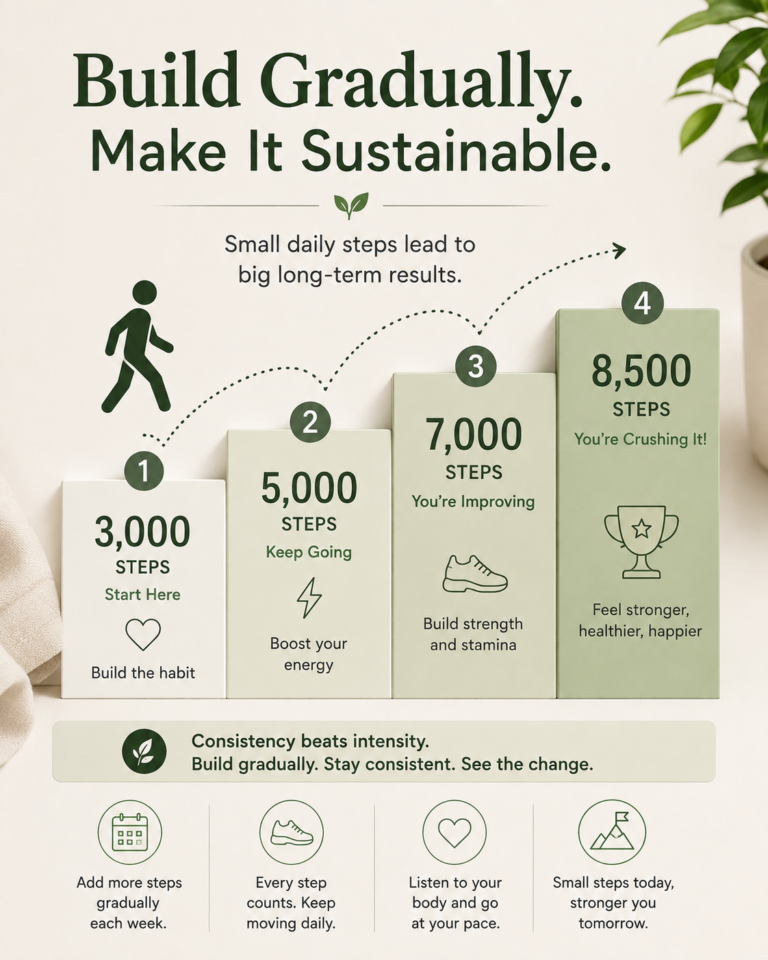
- Walk for 10 minutes after dinner
Small changes add up.
Skipping meals to “save calories”
Skipping meals can make some people extremely hungry later, leading to overeating or poor snack choices.
Regular, balanced meals are usually easier to maintain.
Cutting out all carbohydrates
Carbohydrates are not automatically unhealthy. Choose better-quality sources and pair them with protein, vegetables, and healthy fats.
Eating too little protein
Protein helps with fullness, muscle maintenance, recovery, and overall health. Include it in each meal rather than eating most of it only at dinner.
Treating supplements as food replacements
Supplements can be useful in certain situations, but they cannot replace fruits, vegetables, protein-rich foods, fibre, water, and regular meals.
Following social-media diet trends without context
What works for an influencer may not suit your body, schedule, budget, culture, medical needs, or fitness goal.
Choose a routine you can continue after the trend disappears.
Frequently asked questions
What is the healthiest Indian diet?
There is no single perfect Indian diet. A healthy Indian eating pattern usually includes a variety of vegetables, fruits, pulses, protein foods, whole grains or millets, dairy or suitable alternatives, nuts, seeds, and sensible amounts of fats.healinghospital.
Can I eat rice and still be healthy?
Yes. Rice can be part of a healthy diet. Keep your portion sensible and pair it with dal, vegetables, salad, curd, paneer, eggs, chicken, fish, or another protein source.
Do I need to stop eating sugar completely?
No. The goal is to reduce frequent added sugar, especially from sugary drinks, packaged snacks, desserts, and sweetened tea or coffee. You do not need to fear naturally occurring sugar in whole fruit.
How can I start eating healthier on a budget?
Start with affordable basics: seasonal vegetables, fruits, dal, chana, rajma, eggs, curd, peanuts, roasted chana, oats, daliya, rice, roti, and local millets. You do not need expensive imported foods to eat well.
Is home-cooked food always healthy?
Home-cooked food can be a great foundation, but it still matters how much oil, salt, sugar, vegetables, and protein it contains. A balanced home-cooked plate is usually more important than whether a food is simply made at home.
How long does it take to see results from healthier eating?
Some changes, such as better digestion, stable energy, and reduced cravings, may appear within a few weeks. Changes in body weight, fitness, skin, or blood test values can take longer and depend on many factors. Focus on habits you can sustain.
Final thoughts
Healthy eating is not about perfection, punishment, or expensive food.
It is about building meals that give you energy, enough protein, fibre, vegetables, fruit, and hydration—while still enjoying the foods and traditions you love.
Start with one simple step this week: add protein to breakfast, include vegetables at lunch, eat one fruit a day, or replace one packaged snack with a more nourishing option.
Small habits, repeated consistently, are what make healthy eating work.