Quality Sleep: Practical Habits to Sleep Better and Wake Refreshed
Sleep affects how we feel, think, move, and manage the day. Yet when work, college, family responsibilities, screens, and stress pile up, a good night’s rest can be the first thing to disappear.
The answer is not always an expensive sleep tracker, supplement, or complicated bedtime routine. Many people can start by adjusting a few everyday habits: keeping a steadier sleep schedule, making the bedroom more comfortable, getting daylight and movement during the day, and noticing how late caffeine affects them.
This guide shares realistic ways to support quality sleep. It is for general wellness education, not a diagnosis or treatment plan. If sleep problems are persistent or affecting your everyday life, speak with a healthcare professional.
How much sleep do adults need?
Most adults aged 18–60 should aim for at least 7 hours of sleep each night. Sleep needs vary between individuals, and getting enough hours does not always guarantee good-quality sleep if you wake repeatedly or feel unrefreshed.
A useful starting point is to notice both:
- How many hours you sleep
- How rested and alert you feel during the day
If you regularly need to fight sleep, feel exhausted, or struggle to concentrate, consider your sleep habits and discuss persistent symptoms with a healthcare professional.
Why quality sleep matters
Sleep is not wasted time. It is part of everyday health and recovery.
Good sleep supports:
- Daytime alertness and concentration
- Mood and emotional regulation
- Learning and memory
- Physical recovery after activity
- Regular daily routines and overall well-being
Not every night will be perfect. Focus on your sleep pattern over time rather than worrying about one restless night.
7 habits that can support better sleep
1. Keep a consistent sleep and wake time
Try to go to bed and get up at roughly the same time each day, including weekends. A regular schedule helps your body settle into a predictable rhythm. If your current sleep timing changes a lot, move it gradually rather than trying to shift it by several hours in one night.
2. Give yourself a short wind-down period
Create a simple 20–30-minute transition before bed. It could include:
- Washing up and preparing for tomorrow
- Reading a few pages
- Gentle stretching
- Calm music or a quiet audio story
- Writing down tomorrow’s tasks so you are not rehearsing them in bed
Your routine does not need to be elaborate. Choose something calming and repeatable.
3. Make your bedroom comfortable for sleep
Where possible, keep the bedroom:
- Dark
- Quiet
- Cool or comfortably temperature-controlled
- Free from unnecessary distractions
A comfortable pillow and mattress matter too. If your room is noisy or bright, consider practical options such as earplugs, an eye mask, or curtains—provided they are safe and comfortable for you.
4. Be mindful of caffeine timing
Coffee, tea, cola, energy drinks, and chocolate can contain caffeine. Its effects may last for hours, so an afternoon or evening serving can make it harder for some people to fall asleep. The NHLBI notes that caffeine’s effects can last up to about 8 hours.
You do not necessarily need to stop caffeine completely. Try moving your last caffeinated drink earlier and notice whether your sleep changes.
5. Get daylight and movement during the day
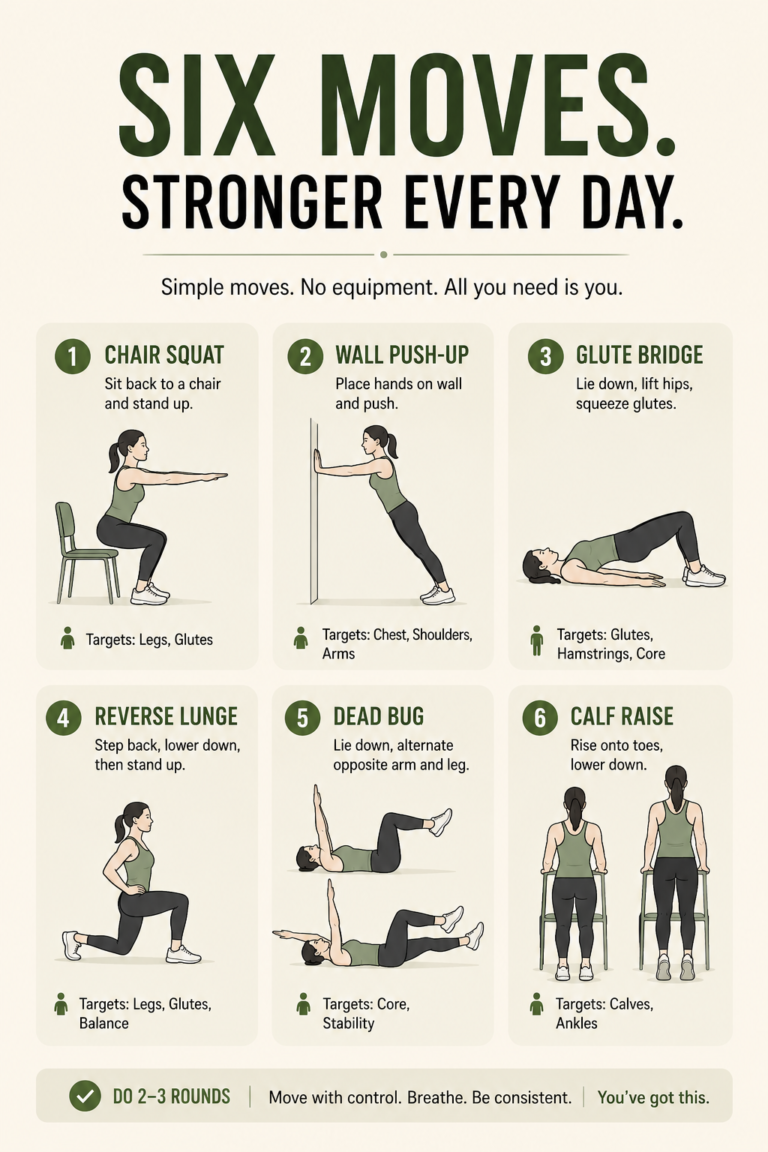
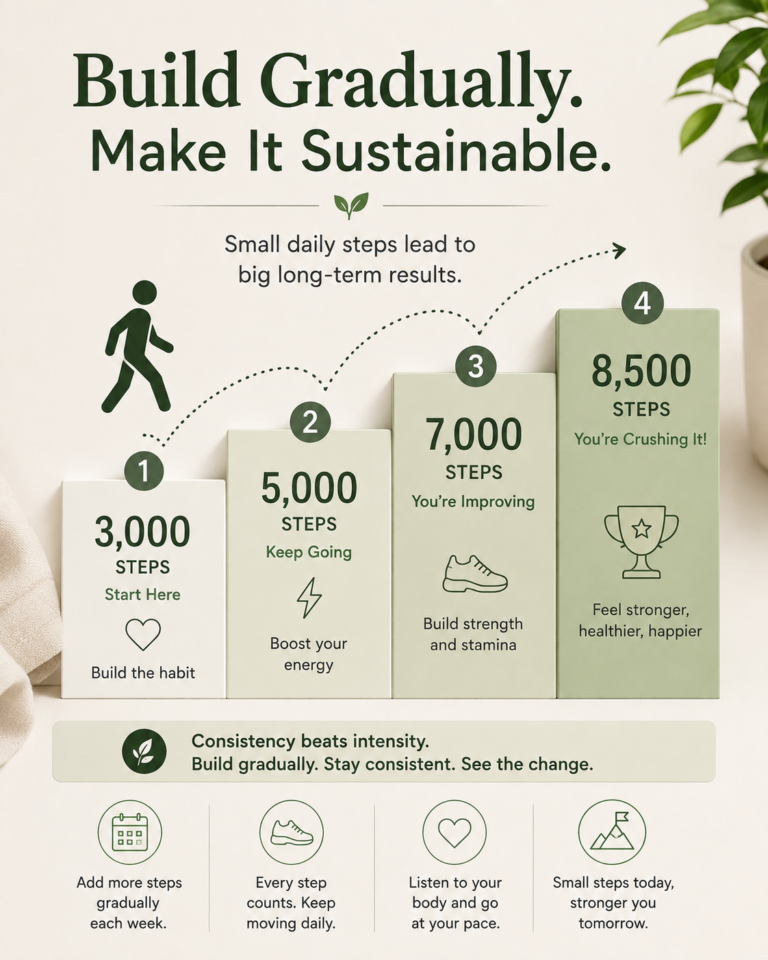
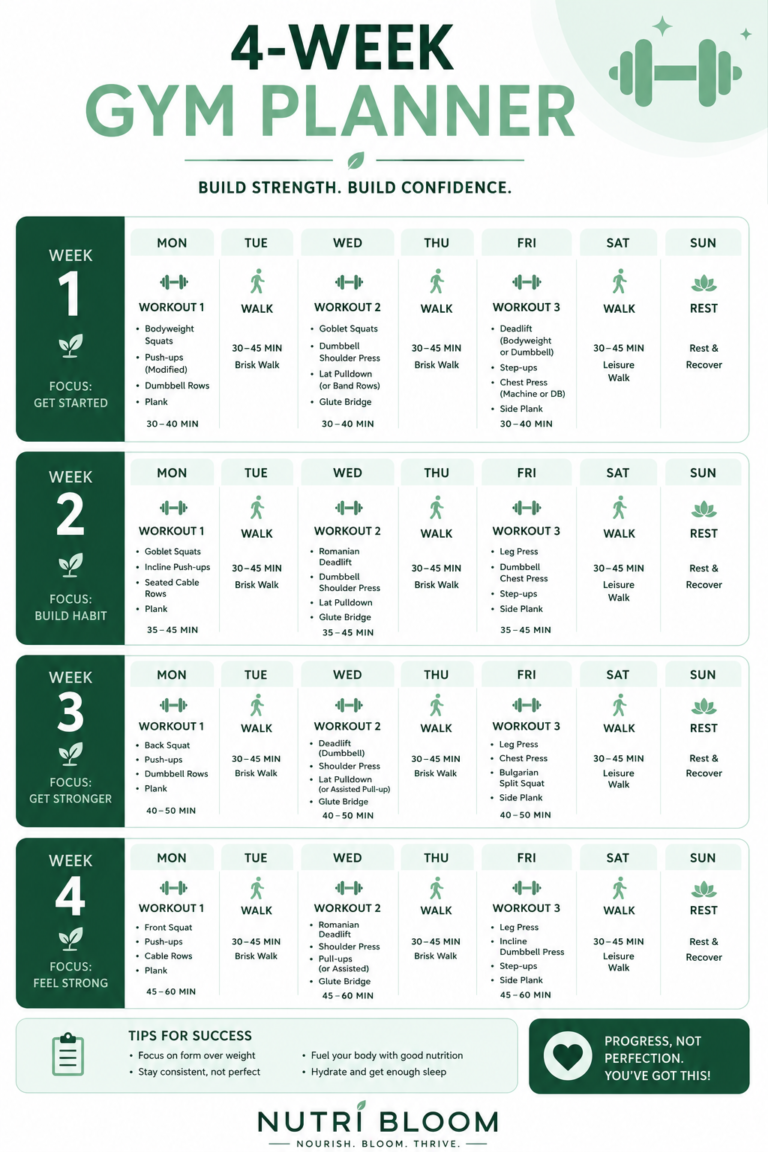
Daytime activity and natural light can help create a stronger difference between the active part of the day and bedtime. Try a morning or lunchtime walk, outdoor light when practical, or regular movement breaks during a long work or study day.
You do not need an intense workout. A walk, household activity, or beginner-friendly exercise can be a good starting point.
6. Give screens a calmer place in your routine
Phones, laptops, work messages, and stimulating content can keep your mind active near bedtime. If screens are part of your evening, consider setting a stopping point, dimming the screen, or switching to something less engaging before sleep.
You do not need to follow a strict “no screens ever” rule. Focus on reducing the habits that make it hard for you to wind down.
7. Avoid going to bed uncomfortably full or hungry
A very large meal just before bed may feel uncomfortable, while going to bed hungry can distract some people. Try to leave a comfortable gap after a heavy dinner where possible. If you need a snack, choose something familiar and light rather than using food, alcohol, or supplements as a guaranteed sleep remedy.stacks.
A simple 30-minute bedtime routine
Try this as a flexible template:
| Time | Activity |
|---|---|
| 30 minutes before bed | Finish work, school tasks, or stimulating chores |
| 20 minutes before bed | Prepare clothes or a short to-do list for tomorrow |
| 10 minutes before bed | Wash up, dim lights, and put your phone aside if practical |
| Bedtime | Get into bed when sleepy and keep the room dark and comfortable |
If you are not sleepy yet, forcing yourself to lie in bed and worry can make bedtime feel stressful. Choose a quiet activity in low light until you feel ready to sleep.
What to do after a restless night
One bad night does not mean you have a permanent sleep problem. Try not to compensate with an unusually long lie-in or a very late nap if that will push your next bedtime much later.
Instead:
- Return to your usual wake-up time if practical
- Get some daylight during the day
- Keep movement gentle if you feel tired
- Avoid excessive caffeine to “rescue” the day
- Give yourself a normal wind-down that evening
If poor sleep continues and affects how you feel or function, seek advice rather than blaming yourself.
Sleep habits that may backfire
Trying too hard to force sleep
Constantly checking the clock or calculating how little sleep remains can increase frustration. Put the clock out of sight if watching it makes you anxious.
Using alcohol as a sleep aid
Alcohol may make some people feel sleepy at first, but it can disrupt sleep later in the night. It is not a reliable treatment for insomnia.
Taking sleep supplements without checking safety
Melatonin, herbal products, and “sleep gummies” are not suitable for everyone and can interact with medicines or health conditions. Ask a doctor or pharmacist before using them, especially if pregnant, breastfeeding, taking medication, or managing a medical condition.
Treating persistent problems as a lack of discipline
Ongoing sleep difficulty can have medical, mental-health, medication-related, schedule-related, or environmental causes. It is not a personal failure.
When to seek professional help
Consider contacting a healthcare professional if:
- Trouble falling or staying asleep continues for months
- Poor sleep is affecting work, study, relationships, mood, or safety
- You frequently feel very sleepy during the day
- You regularly wake gasping or choking
- Someone notices that your breathing repeatedly stops and starts during sleep
- You have loud snoring alongside daytime tiredness
- You rely on alcohol or medication to sleep
These symptoms can be associated with sleep disorders such as insomnia or sleep apnoea, which may need assessment and treatment.
Seek urgent support if tiredness makes driving or operating machinery unsafe.
Frequently asked questions
Is 6 hours of sleep enough?
Some people may occasionally function after 6 hours, but the general recommendation for adults aged 18–60 is at least 7 hours per night. If you regularly sleep 6 hours and feel tired, consider adjusting your schedule and discussing ongoing symptoms with a healthcare professional.
Should I go to bed at the same time every night?
A reasonably consistent bedtime and wake time can support a regular sleep routine. The NHLBI suggests keeping schedule differences between weekdays and weekends to around an hour when possible.
Does caffeine affect sleep?
It can. Caffeine is a stimulant, and its effects may last for several hours. If sleep is difficult, experiment with moving coffee, tea, energy drinks, and cola earlier in the day.nhlbi.nih+1
What if I cannot fall asleep?
Keep the room calm and avoid turning bedtime into a struggle. A quiet activity in dim light may be more helpful than repeatedly checking the clock. If the problem persists or affects daily life, speak with a healthcare professional.
Should I take melatonin?
Do not assume melatonin is right for everyone. Ask a doctor or pharmacist about whether it is appropriate for you, especially if you take medicines, have a medical condition, are pregnant, or are breastfeeding.
Final thoughts
Quality sleep does not come from one perfect trick. It often grows from a few steady habits: a more regular schedule, a calmer wind-down, a sleep-friendly room, daylight and movement during the day, and less late caffeine.
Start with one change that feels realistic and try it consistently. If sleep remains difficult or affects your daily life, ask a healthcare professional for help rather than trying to manage it alone.