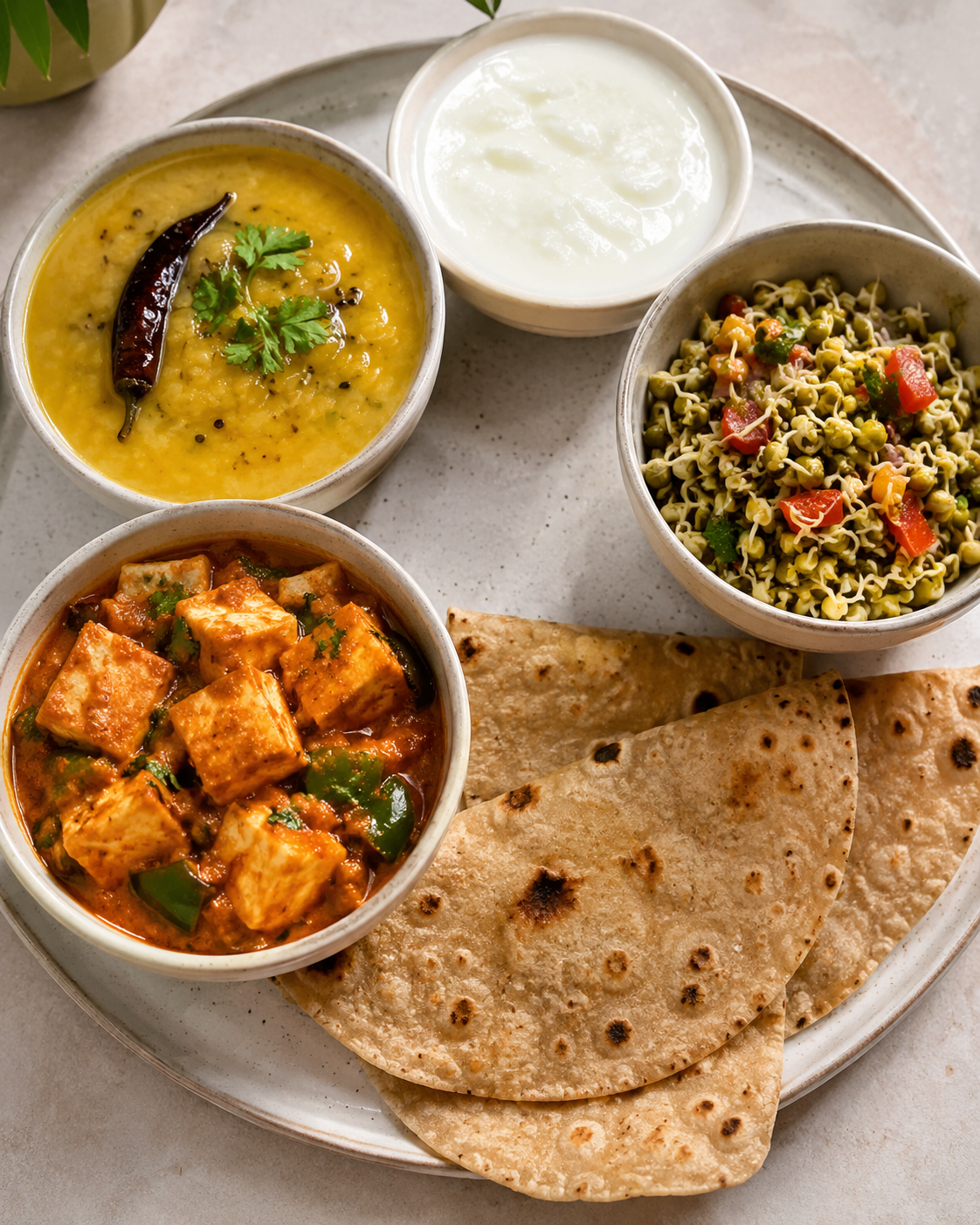
High Protein Vegetarian Indian Diet for Women in India
If you are vegetarian and trying to lose fat, build muscle or just feel more energetic, protein is probably the nutrient you are hearing about the most. That is because protein helps with fullness, recovery, muscle maintenance and overall health, yet many Indian women still end up eating meals that are mostly carbs with very little protein.
The good news is that you do not need imported foods or a complicated supplement stack to improve this. With a few smart food choices and better meal pairing, a vegetarian Indian diet can become high in protein and still remain simple, affordable and realistic for everyday life.
This guide is for general education only and is not medical advice. If you have a medical condition, pregnancy, breastfeeding concerns or any specific dietary issue, please speak with your doctor or a qualified dietitian before making major changes.
Affiliate disclosure
Affiliate Disclosure:
Some of the links in this article may be affiliate links. If you buy through them, I may earn a small commission at no extra cost to you. I only recommend products I would be comfortable suggesting to a close friend.
Why protein matters so much
Protein is not just for bodybuilders. It supports your muscles, helps you stay full after meals and plays a role in recovery, energy and body composition.
For women who want fat loss, protein is useful because it helps reduce snacking and preserve muscle while you are in a calorie deficit. For women who want a more toned look, protein supports the training and recovery needed to build that shape.
When protein is too low, many people feel hungry soon after meals, rely on biscuits and snacks, and struggle to stay consistent with healthy eating. That is why building protein into your regular Indian meals matters so much.
The best vegetarian protein foods in India
The easiest way to increase protein is to use foods that already fit Indian meals well.
High-protein staples
- Paneer – a strong option for quick meals, bhurji, wraps and curries.
- Curd / thick dahi / Greek-style yogurt – easy to add to meals or use as a snack.
- Besan – great for chillas, dhokla, kadhi and savory pancakes.
- Sattu – a simple pantry ingredient that works well in drinks and savory mixes.
- Dal – useful and important, especially when you eat enough of it.
- Sprouts – light, flexible and good for salads or chaat.
- Soy chunks / tofu / soybeans – very useful if you want a stronger protein boost.
Indian vegetarian diet guides often recommend using these foods strategically instead of depending on dal alone.
Smart combinations
Some foods become much more useful when paired together:
- Dal + rice.
- Dal + roti.
- Rajma + rice.
- Besan chilla + curd.
- Paneer + roti.
- Sprouts + curd.
These combinations help your meals feel more complete and more filling.
How much protein can you realistically get?
You do not need a perfect 100 g goal every day to improve your diet. Even moving from very low protein to a more protein-forward routine can make a big difference.
A realistic target for many active women is to spread protein across 3–4 meals instead of trying to cram it into one huge dinner. A sample goal might be 20–30 g per meal depending on body size, activity level and overall food intake.
If you are vegetarian and want a useful benchmark, some Indian guides show that a properly planned day with besan, paneer, curd, dal, sattu and sprouts can reach 60–80 g or more without supplements.
For women who train hard or are trying to build more muscle, that may still not be enough, which is where a protein powder can become helpful.
A simple high-protein vegetarian day
Here is a practical example of how a vegetarian Indian day can look.
Breakfast
- Two besan chillas stuffed with paneer.
- A bowl of curd on the side.
- Optional fruit if you want more energy.
This works well because besan and paneer together make breakfast more filling and much more protein-rich than plain toast or biscuits.
Mid-morning snack
- Sattu drink with water, lemon and salt.
- Or a bowl of roasted chana.
- Or sprouts chaat.
This is a smart replacement for random packaged snacks and helps keep your appetite steady.
Lunch
- Two rotis.
- One bowl of dal.
- One paneer, tofu or soy sabzi.
- Salad and curd.
This is a simple meal that feels normal in an Indian household but gives you a lot more protein than a typical roti-sabzi plate.
Evening snack
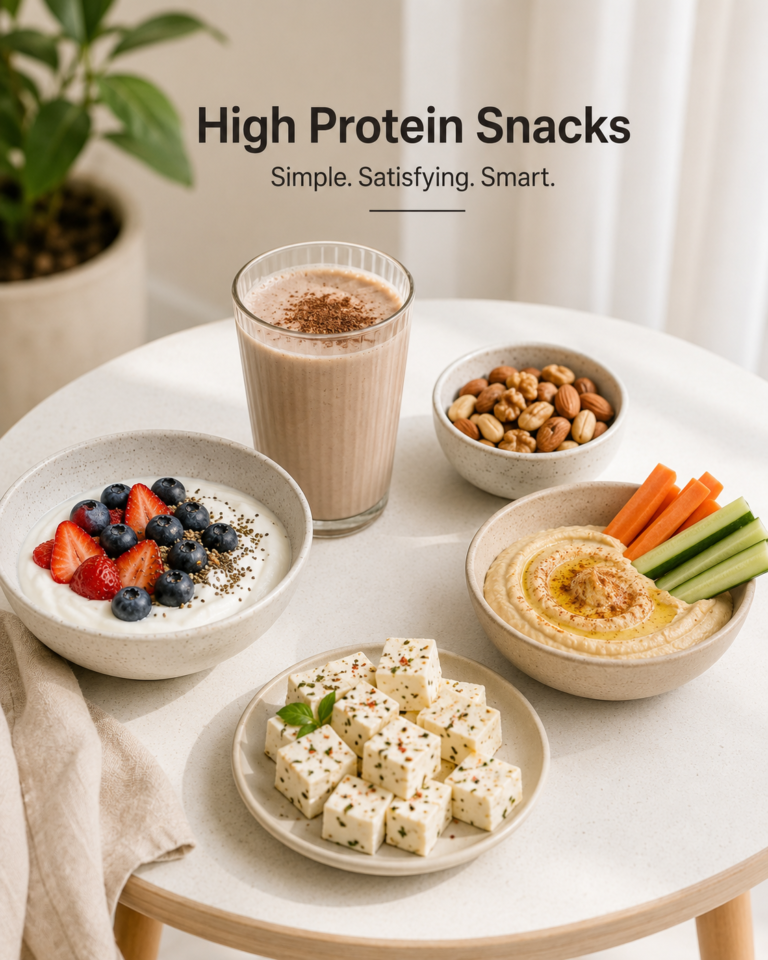
- Thick curd with seeds.
- Or peanuts and roasted chana.
- Or a protein shake if you train in the evening.
If you often feel hungry between lunch and dinner, this is the meal that can save your diet from biscuit mode.
Dinner
- Paneer or tofu stir-fry.
- One or two rotis.
- Cooked vegetables.
If you prefer a lighter dinner, keep the protein strong and reduce the heavy carb portion a little.
How to hit more protein without supplements
This is the part most women need.
Step 1: Add protein to breakfast
Do not start the day with only tea and toast if you can help it. Add besan, paneer, curd, milk, eggs if you eat them, or a protein smoothie.
Step 2: Make lunch protein-first
Most people build lunch around rice or roti and then “add” a small protein item. Flip that logic. Decide the protein first, then build the rest of the plate around it.
Step 3: Keep a protein snack ready
If you have a long work or college day, prepare roasted chana, curd, sprouts or a quick paneer snack in advance. This is much better than reaching for chips, cookies or fried street snacks.
Step 4: Use soy and paneer strategically
Soy chunks, tofu and paneer can dramatically increase your protein intake without making meals complicated. Keep them in your weekly meal plan at least a few times a week.
Step 5: Track for a few days
You do not need to track forever, but tracking for 3–5 days can show you where protein is missing. Many women discover that they are eating only tiny amounts of dal or curd and thinking it is enough.
When protein powder becomes useful
A good protein powder is not required for everyone, but it can help when:
- You train regularly and struggle to recover.
- You are vegetarian and find it hard to eat enough protein.
- You are too busy to prepare high-protein meals every day.
- You want a convenient way to replace a low-protein snack.
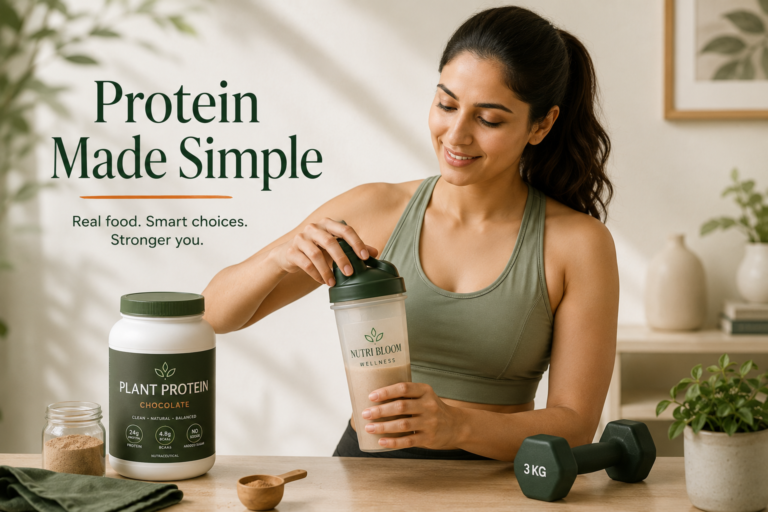
If you use a powder, think of it as a helper, not a meal replacement. Food should still be your base. If you want a convenient option, check my guide on the best protein powders for women in India.
What to look for if you buy a protein powder
If you decide to buy one later, keep these basics in mind:
- Choose whey if you tolerate dairy well and want a simple, effective option.
- Choose plant protein if you are vegan or sensitive to dairy.
- Look for around 20–25 g protein per scoop.
- Keep sugar low.
- Read labels carefully and avoid products that look more like flavored milk powder than protein.
Women-focused products exist too, but the label should still make nutritional sense first.
Common mistakes vegetarian women make
Relying on dal alone
Dal is great, but one bowl of dal alone is rarely enough for a high-protein day. You need a mix of paneer, curd, besan, soy, sprouts and smart meal planning.
Under-eating overall
Some women eat very little, then wonder why they are weak, hungry and not seeing results. A high-protein diet still needs enough total food.
Snacking on low-protein foods
Tea with biscuits, namkeen, rusks and packaged snacks do not support fat loss or muscle tone very well. They fill the stomach without really helping the body.
Not planning protein in advance
Protein usually does not “happen” by accident. The best results come when you decide your protein sources before the meal starts.
Simple 7-day protein challenge
Try this for one week:
- Add one extra protein source to breakfast.
- Replace one snack with roasted chana, curd or sprouts.
- Make lunch protein-first.
- Include paneer, tofu or soy at least 3 times this week.
- If you still fall short, try one protein shake on workout days.
This small challenge can change how full, energetic and consistent you feel.