10 Weight Loss Mistakes Indian Women Make While Trying to Lose Weight
If you’ve been eating “clean,” working out regularly, and still not seeing the scale move, you’re not alone — and it’s usually not a willpower problem. Indian women face a unique combination of hormonal, dietary, and lifestyle factors that make weight loss harder than generic diet advice accounts for.
This guide breaks down the 10 most common mistakes and gives you practical fixes for each.
This article is for general education only and is not medical advice. If you suspect a hormonal or metabolic issue, please consult a doctor.
Affiliate disclosure
Affiliate Disclosure:
This article may contain affiliate links. If you buy through them, I may earn a small commission at no extra cost to you. I only recommend products I would suggest to a close friend.
1. Eating too little, too fast
Drastically cutting calories from day one feels like the fastest path to results, but it backfires. When intake drops too low, your body slows its basal metabolic rate by 15–25% to conserve energy, leading to fatigue, muscle loss, and stalled progress.navbharattimes.
Fix: Aim for a moderate, sustainable calorie deficit (not below ~1200 calories without medical supervision) and be patient with the process.
2. Skipping meals, especially breakfast
Many women skip breakfast or dinner assuming fewer meals means fewer calories. In reality, this slows metabolism and often triggers overeating later in the day.
Fix: Eat 3 balanced meals with adequate protein and complex carbs to keep energy and blood sugar stable throughout the day.
3. Not eating enough protein
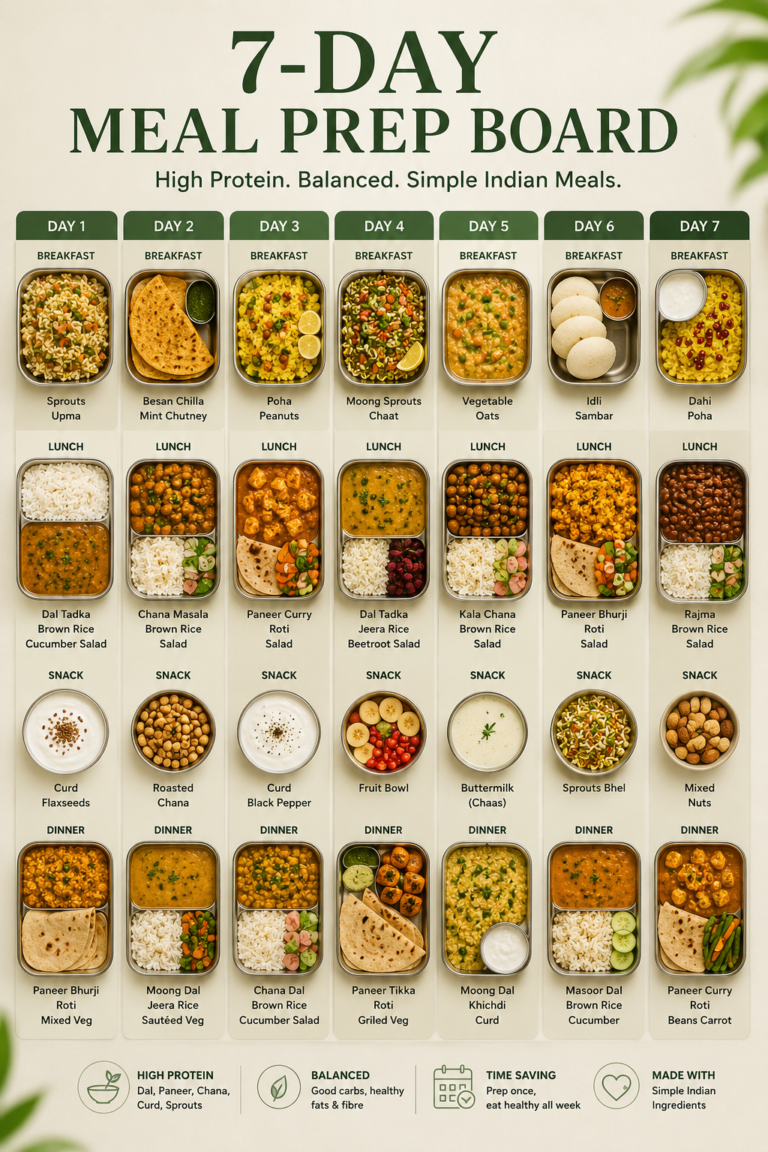
Most Indian diets are carbohydrate-heavy and protein-light. Reducing rice or roti without adding enough dal, paneer, eggs, or lentils creates a protein deficit that accelerates muscle loss and slows fat burning.
Fix: Include a palm-sized protein source in every meal — dal, paneer, curd, eggs, chicken, or fish.
4. Relying on “healthy” packaged snacks
Energy bars, flavored yogurts, and “diet” labeled snacks often contain hidden sugar, salt, and processed carbs. Just because something is marketed as healthy doesn’t mean it’s calorie-light.navbharattimes.
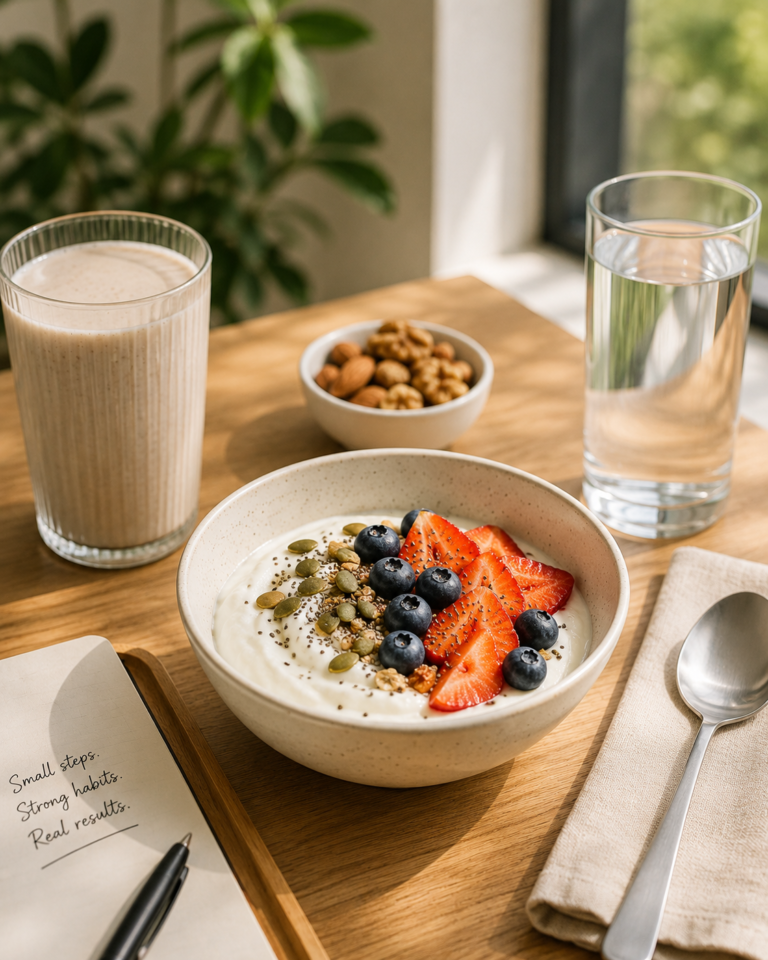
Fix: Prioritize whole foods — fruits, nuts, roasted chana, and homemade snacks — over packaged “diet” products.
5. Mindless snacking on chai-time biscuits and namkeen
Many women eat clean at meals but underestimate the calories from frequent chai-time snacking on biscuits, namkeen, and packaged nuts. These add up significantly without providing real fullness.
Fix: Replace snack-time biscuits with protein-rich options like roasted chana, curd, or a small handful of nuts.
6. Ignoring strength training
Many women focus only on cardio and walking while avoiding weights, fearing they’ll get “bulky.” This leads to lower muscle mass over time, which directly slows metabolism since muscle burns more calories at rest than fat.economictimes.
Fix: Add 2–3 strength training sessions per week alongside cardio — this protects and builds the muscle that keeps your metabolism active.
7. Underestimating hidden calories in Indian cooking
Ghee, oil in tadka, and coconut are often used generously in Indian cooking without being tracked, making meals significantly higher in calories than they appear.
Fix: Measure cooking oil and ghee for one week to get an honest picture of your actual intake.
8. Ignoring hormonal factors (PCOS, thyroid, insulin resistance)
Conditions like PCOS, hypothyroidism, and insulin resistance are common among Indian women and can cause the body to resist fat loss even in a genuine calorie deficit.
Fix: If weight loss stalls for weeks despite consistent effort, get tested for thyroid function, fasting insulin, and PCOS markers rather than blaming willpower.
9. Poor sleep and chronic stress
Lack of sleep disrupts hunger hormones (ghrelin and leptin) and raises cortisol, which increases cravings and promotes fat storage, especially around the belly. Indian women juggling work and home responsibilities often carry higher chronic stress levels.
Fix: Prioritize 7–8 hours of sleep and incorporate stress management like short walks, journaling, or breathing exercises.
10. Expecting fast results and giving up early
Many women quit a plan after 2 weeks because the scale hasn’t moved dramatically, not realizing that sustainable fat loss is gradual and the scale doesn’t reflect muscle gain, water retention, or hormonal fluctuations.
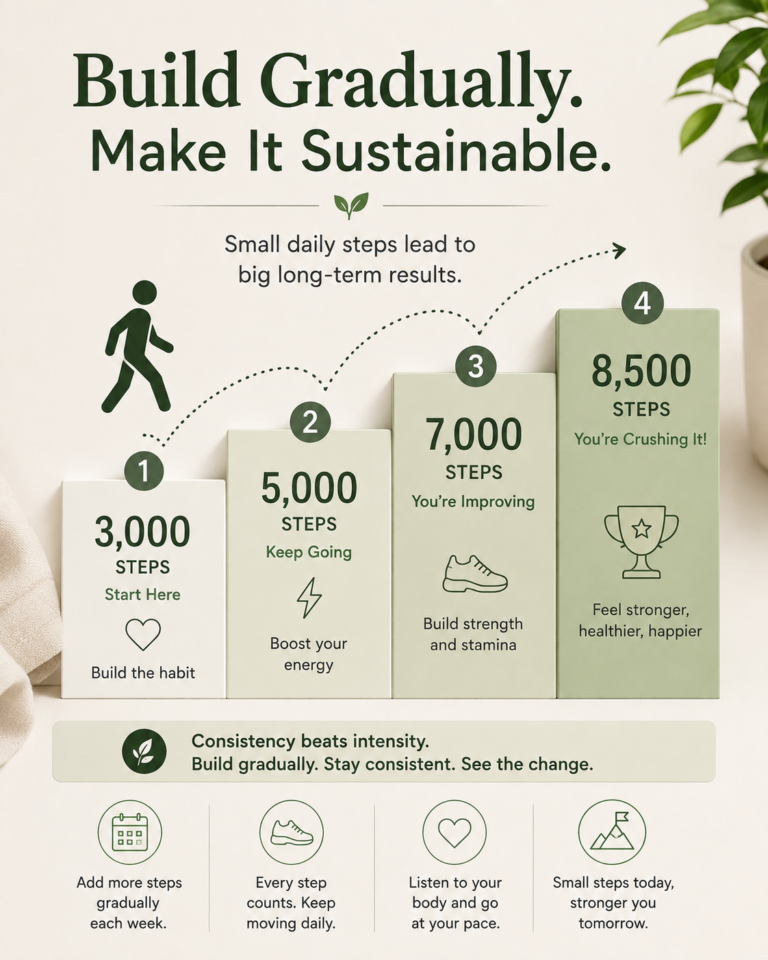
Fix: Track progress with photos, measurements, and how your clothes fit — not just the scale — and give any consistent plan at least 6–8 weeks before judging results.
Quick summary table
| Mistake | Why It Backfires | Simple Fix |
|---|
| Mistake | Why It Backfires | Simple Fix |
|---|---|---|
| Eating too little | Slows metabolism 15–25% | Moderate, sustainable deficit |
| Skipping meals | Triggers overeating later | 3 balanced meals daily |
| Low protein intake | Accelerates muscle loss | Protein in every meal |
| “Healthy” packaged snacks | Hidden sugar and processed carbs | Whole foods instead |
| Chai-time snacking | Hidden calorie creep | Protein-rich snack swaps |
| Skipping strength training | Lowers muscle mass, slows metabolism | 2–3 sessions per week |
| Untracked oil and ghee | Calories add up unnoticed | Measure cooking oil for a week |
| Ignoring hormonal issues | Body resists fat loss | Get tested if stalled for weeks |
| Poor sleep and stress | Raises cortisol, cravings | 7–8 hours sleep, stress management |
| Expecting fast results | Leads to giving up early | Track non-scale progress, be patient |
When to see a doctor
If you’ve been consistent with diet, protein intake, sleep, and exercise for 6–8 weeks with zero progress, it may be worth checking fasting insulin, thyroid panel (including T3), cortisol, vitamin D, and B12 levels with a doctor. This isn’t about failure — sometimes biology needs a bit of extra support alongside lifestyle changes.economictimes.
Final thoughts
Weight loss for Indian women isn’t just about eating less — it’s about eating smart, managing hormones, protecting muscle, and being patient with a body that’s dealing with unique metabolic and lifestyle pressures. Fix these 10 common mistakes one at a time, and you’ll likely see far more sustainable progress than any crash diet could offer.